
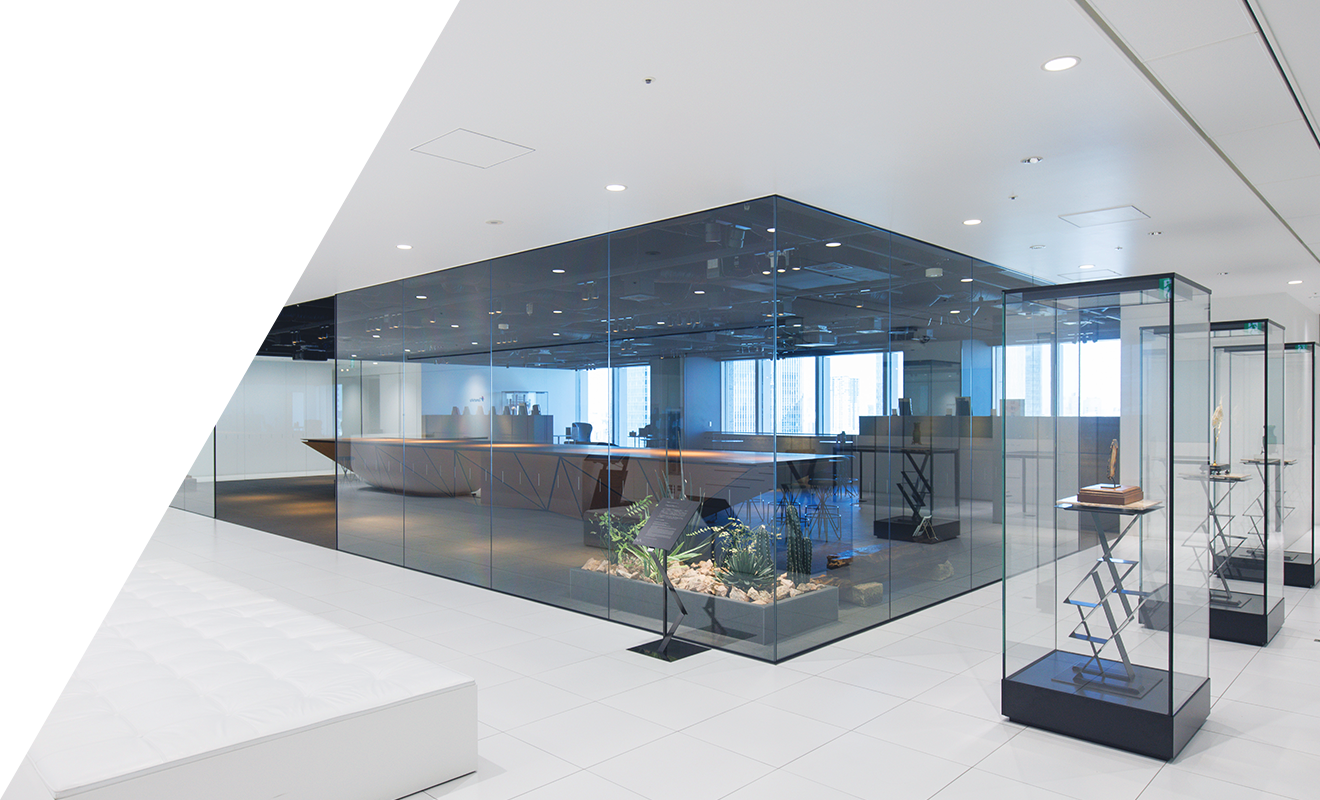





Tanseisha has helped create the spaces for the "YKK AP Technology Museum" and "SHIKISAI GARDEN -Seasonal colors-" at Narita International Airport Terminal 1. Additionally, the "Tottori Prefectural Museum of Art Museum Goods Series" and the "Clock that Resonates with Nature," which Tanseisha was involved in producing, have all received the "2026 Good Design Award" (sponsored by the Japan Institute of Design Promotion).
The award is the only comprehensive design evaluation and recommendation system in Japan, and the symbol of the award, the "G Mark," is widely known as a symbol of good design.
We would like to thank our customers for giving us this opportunity, as well as everyone who helped us along the way.
Going forward, we will continue to keep in mind the perspective of those who will use the space and work to create rich spaces that can contribute to our customers' businesses.

Good Design Award 2026
"YKK AP Technology Museum"
[Business Owner]
YKK AP Inc.
[Award-winning organizations]
YKK AP Inc. / Architecture, Urban Planning and Landscape design workshop / TANSEISHA Co., Ltd.
【overview】
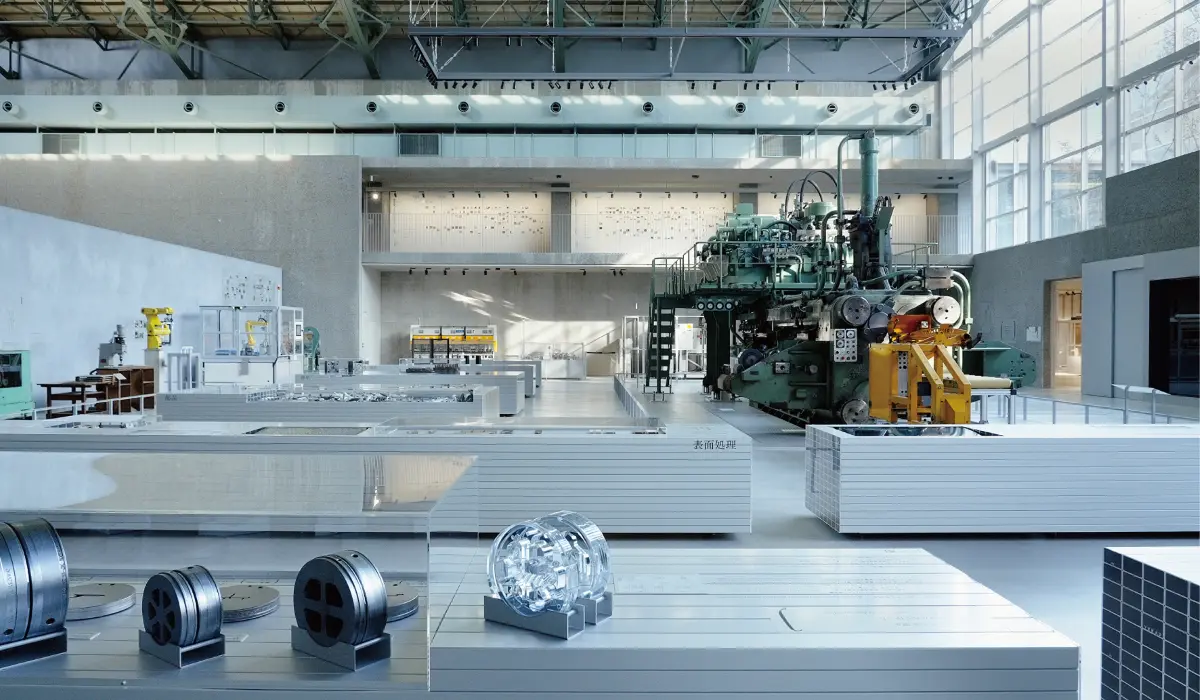
This exhibition facility, a renovated aluminum melting and extrusion plant building completed in 1959, is based on the concept of "tracing YKK AP's history of challenges in manufacturing and technology, and connecting it to future growth." It introduces how the company has grown and developed since the start of its building materials business, focusing on its manufacturing technology. Opened in November 2024.
[Design Highlights]
1. The aluminum melting and extrusion factory, the origin of the building materials business, was renovated. The fixtures used to laminate aluminum and resin extruded materials for window components recreate the atmosphere of the factory at that time.
2. Renovating the factory with our own curtain wall, while preserving existing trusses and steel windows. Creating a regional symbol through the fusion of old and new technologies.
3. Develop a grand staircase, a courtyard, and other features to create a space for interaction and activities among employees and local residents.
[Judges' Evaluation]
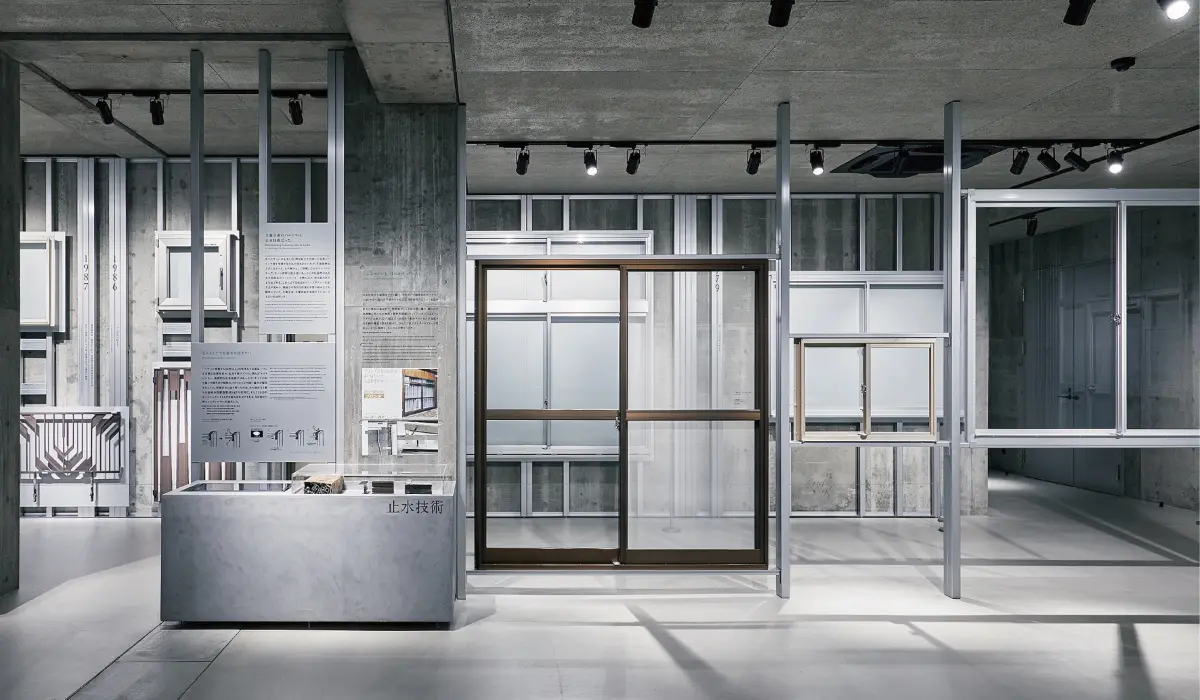
YKK AP, a building materials manufacturer, has employed various architects in numerous projects to create outstanding spaces. In recent years, they have also been involved in renovations, and this project is another example of repurposing a legacy factory as an exhibition space. As a result, the building has been transformed into an open structure with a glass facade, a grand staircase, and an outdoor deck, creating a facility that fosters interaction with the local community. Above all, the large space is very pleasant. Furthermore, the content of the technology museum, which displays the company's products from various eras, is also captivating.
*For more detailed information, please see the Good Design Award "Award Gallery".
Award Gallery > YKK AP Technology Museum
[Our representative]
Design Direction: Masaki Ikeda / Design: Takahiro Ishikawa, Tetsuya Yamaguchi / Planning Direction: Haruhiro Tateishi
Planning: Mugiko Komatsuda, Yuna Yabe / Video Direction: Kenya Hirata / Video Management: Yuka Yoshigami
Production, Construction: Takahiro Iikawa, Takehiro Harada, Naoki Torimaru, Taro Watanabe, Takayuki Goto, Shuhei Okawa / Project Management: Kazunari Sakai, Tatsuya Yamazaki
<Our Company's Projects >
"YKK AP Technology Museum" - Leveraging the historical value of YKK AP's founding factory and inheriting its manufacturing DNA -
<Reference Websites>
YKK AP Technology Museum Website
Narita International Airport Terminal 1 "SHIKISAI GARDEN -Seasonal colors-"
[Business entity name]
Narita International Airport Corporation
[Award-winning organizations and companies]
Narita International Airport Corporation / TANSEISHA Co., Ltd.
【overview】
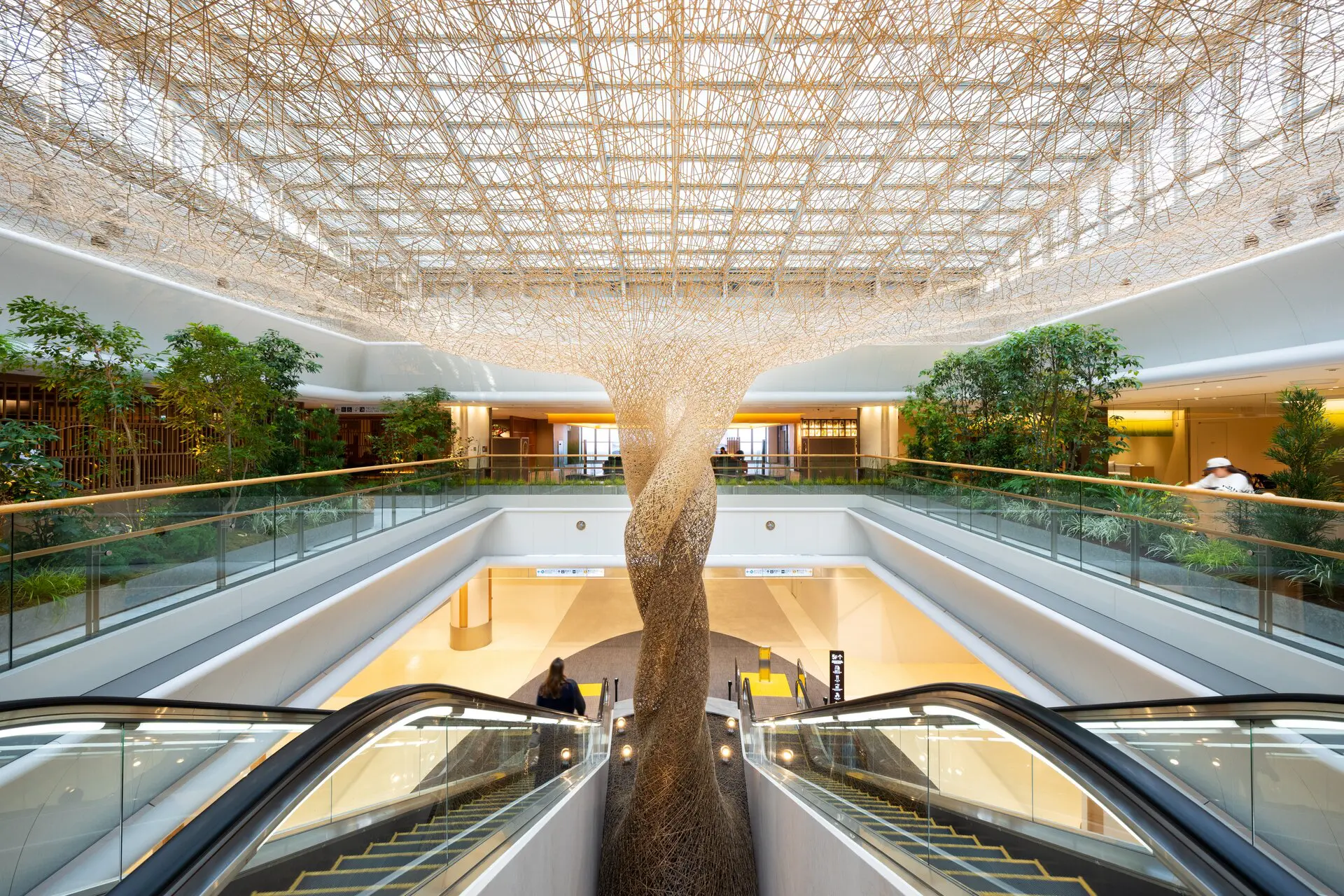
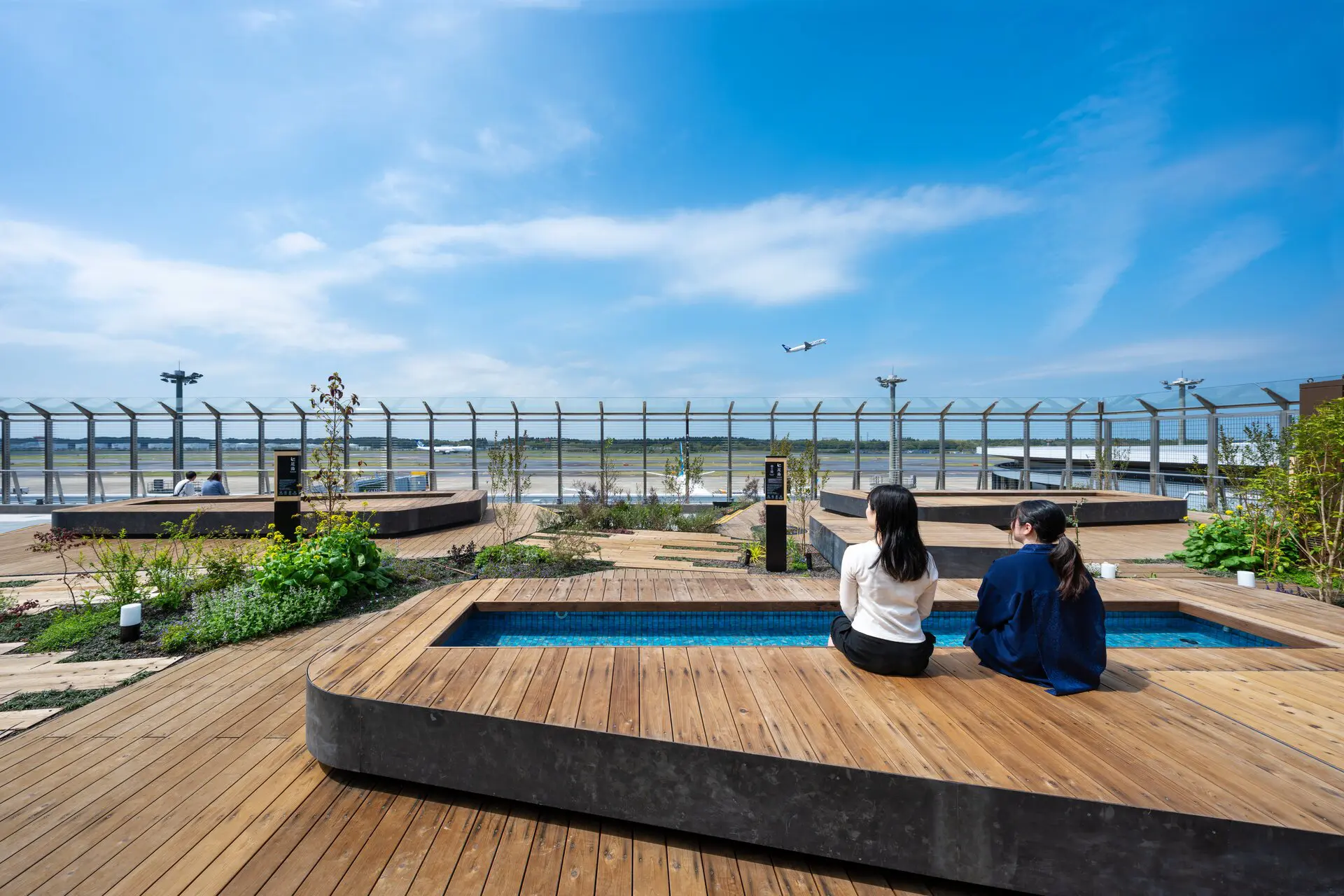
Targeting domestic and international travelers before departure, the airport aims to alleviate the chronic shortage of waiting seats by creating a free waiting area with a level of space comparable to a paid waiting area, thereby improving the experience for all airport users. It also offers a rich airport experience as part of their final journey in Japan, including a stress-free, relaxing space surrounded by water and greenery, and a footbath on the observation deck where they can relax while watching the airplanes.
[Design Highlights]
1. Developed as a "stay-type airport waiting area" where all airport users can spend their time comfortably and without discrimination.
2. We offer airport waiting time not just as waiting time, but as a "rich airport experience that allows you to connect with Japanese culture."
3. We have created a "stress-free space" where you can enjoy the rich symbolism created by art, light, and greenery from anywhere.
[Judges' Evaluation]
Forty-eight years after its opening in 1978, the 5th floor area of Terminal 1 has been reborn from a place that serves as an efficient waiting area to a "place for rich experiences that allow visitors to connect with Japanese culture." While addressing the chronic shortage of waiting seats, the waiting area, which is free for everyone to use, incorporates traditional Japanese bamboo craftsmanship as a modern spatial expression. The impressive space, which makes the most of the unique texture and delicate form of bamboo, naturally attracts visitors and creates an opportunity to experience Japanese culture and craftsmanship during a break in their journey. Taking into account trends in airports around the world, the airport itself is viewed as one of the joys of travel, and efforts are being made to create a comfortable and welcoming space that incorporates "experiences that can be enjoyed with all five senses" and "a way of spending time that is uniquely Japanese."
*For more detailed information, please see the Good Design Award "Award Gallery".
Award Gallery > Narita International Airport Terminal 1 "SHIKISAI GARDEN -Seasonal colors-"
[Our representative]
Direction: Yui Ishihara / Design: Naoko Uramoto, Koun Kiuchi
"Tottori Prefectural Museum of Art Museum Goods Series"

[Business entity name]
Tottori Prefectural Museum of Art Development and Operation Project: Tottori Prefecture / Tottori Prefectural Museum of Art Museum Shop: TANSEISHA Co., Ltd.
[Award-winning organizations and companies]
TANSEISHA Co., Ltd. / FAN
【overview】
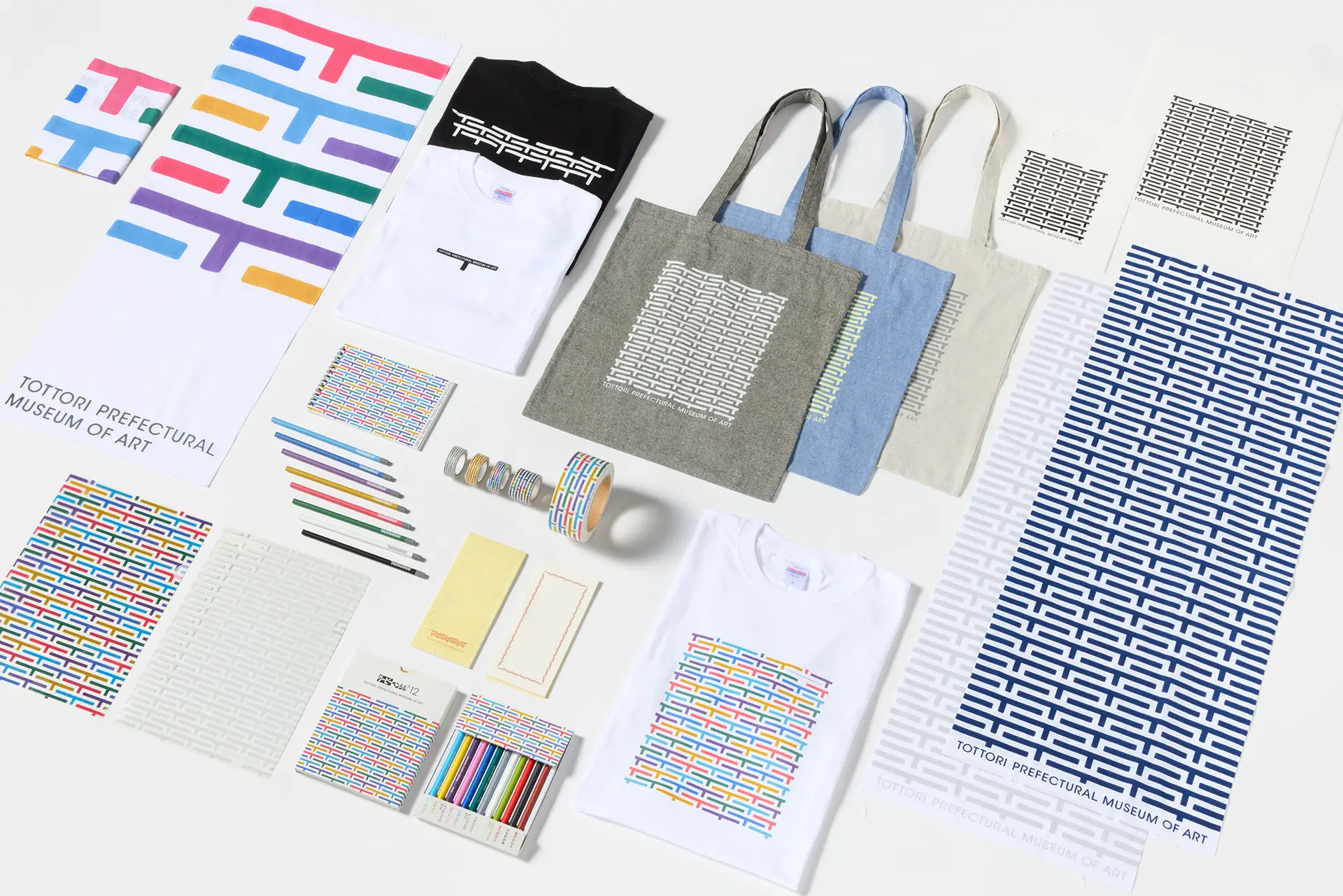
To widely promote the appeal of the Tottori Prefectural Museum of Art, they have developed highly conceptual goods that leverage the region's unique characteristics. The original items reflect the museum's location, where it coexists with the vast green spaces of ancient temple ruins. Furthermore, by effectively utilizing the museum's unique artistic qualities and design identity, these items are popular not only as gifts but also as design items that people want to incorporate into their daily lives.
[Design Highlights]
1. Product development aimed at creating an original art museum that reflects the local community, the charm and culture of Tottori.
2. Visually impress the identity and convey the appeal of the Tottori Prefectural Museum of Art through design.
3. A design that possesses museum-quality aesthetics while being easy to use in everyday life.
[Judges' Evaluation]
We appreciated how the museum's merchandise was carefully designed not merely as souvenirs for visitors, but as a way to connect the museum with Tottori's culture and scenery. They not only incorporated local materials and techniques, such as Inshu washi paper, but also valued the connection to Tottori in the colors, names, and even the manufacturing companies. Furthermore, their focus on the vast green space adjacent to the museum, and their development of products usable in that location, such as picnic blankets and water bottles, was particularly interesting. We valued this approach to museum merchandise as a way to bring the museum experience back into everyday life and naturally convey the charm of the region.
*For more detailed information, please see the Good Design Award "Award Gallery".
Award-winning gallery > Tottori Prefectural Museum of Art Museum Goods Series
[Our representative]
Producer: Naoya Inaba
"A clock that resonates with nature"
[Business entity name]
Pacific Industrial Co., Ltd.
[Award-winning organizations and companies]
Taiheiyo Kogyo Co., Ltd. / nomena / TANSEISHA Co., Ltd.
【overview】
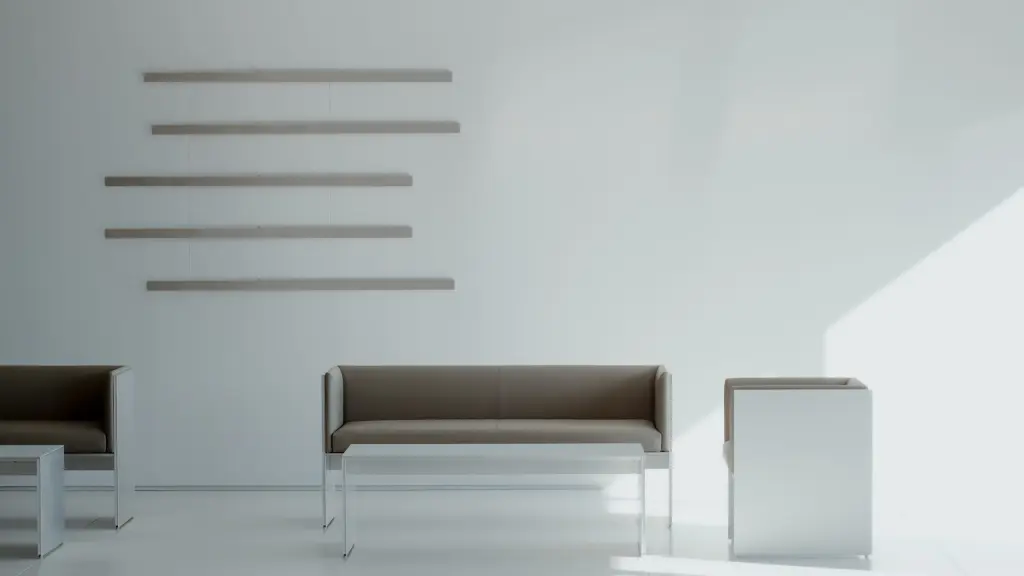
This is the entrance design for a research and development facility of a company that manufactures precision metal parts. The space was planned to stimulate the thinking of research employees working there regarding new technologies and Environmental Consideration. Focusing on the awareness that the surrounding environment is "constantly changing," a device was developed that acquires temperature, wind speed, and river water level data of the local city of Ogaki along with the time, and visualizes the time and environmental information on five sliding dials.
[Design Highlights]
1. A configuration with a fixed hand and a sliding dial, the opposite of the usual clock configuration of a rotating hand and a fixed dial.
2. Local temperature, wind speed, and water level data are acquired along with the time, and environmental and time information is visualized on five sliding dials.
3. Engineering art that expresses constantly changing information through the relationships between five lines. A fusion of technology and art.
[Judges' Evaluation]
At the entrance of the research and development facility, a spatial device was created that stimulates employees' curiosity while encouraging awareness of changes in the immediate environment. Using a mechanism that reverses the structure of a clock—a fixed hand and a sliding dial—local temperature, wind speed, and river water level data are visualized along with the time on five sliding bars. By elevating environmental issues, which tend to be abstract, into intricate kinetic art utilizing the company's precision metal processing technology, the device allows people to intuitively experience the changing seasons as they pass through their daily routines. It creates a sense of connection with the external environment while indoors, expanding the everyday act of checking the time into an experience that evokes environmental awareness and thoughts about future technologies. This is an excellent example of media design that integrates the company's technological capabilities with its focus on the local environment, quietly encouraging a transformation of awareness in the workplace.
*For more detailed information, please see the Good Design Award "Award Gallery".
Award Gallery > Clocks that Resonate with Nature
[Our representative]
Designer: Takahiro Ishikawa

What is the Good Design Award?
It is a representative Japanese design evaluation and promotion activity that inherits the Good Design Product Selection System established in 1957. As a global design award in which many companies and organizations from Japan and overseas participate, it is held every year with the aim of improving the quality of life and utilizing design to solve social issues and themes. The symbol of the award, the "G Mark," is widely known as a symbol of excellent design.
GOOD DESIGN AWARD (Organized by: Japan Institute of Design Promotion)
Please note that this may be subject to change without prior notice.