




Site Search
- TOP
- Project Details
- List of achievements
- SCMAGLEV and Railway Park
SCMAGLEV and Railway Park
The pinnacle of Nippon System's comprehensive strength is here
- Cultural Spaces
Opened in March 2011 in Nagoya City, Aichi Prefecture, the SCMAGLEV and Railway Park is a museum where visitors can experience the progress of Japanese high-speed rail through exhibits ranging from steam locomotives to superconducting maglev trains, with a focus on the Tokaido Shinkansen. In addition to actual trains and railway dioramas, the museum conveys the charm of railways from various perspectives, while also allowing visitors to learn about the technology and social significance of high-speed rail. The SCMAGLEV and Railway Park was started based on the desire of Central Japan Railway Company (JR Central) to "create a place where people can appreciate the various facets of railways, such as their technology, design, historical significance, industrial aspects, and scenery." Tanseisha, whose extensive track record in museum planning and management was highly valued, participated from Basic Planning stage. In a short period, we proposed dozens of train layouts using drawings, CG, and models, and through repeated discussions with the client, we arrived at the most optimal exhibition space. This is an introduction to the exhibition design and production project that led to the realization of this museum.
-
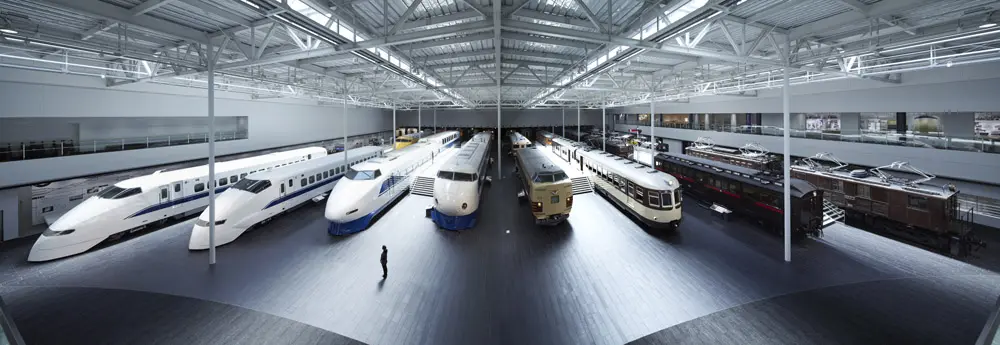
Wide and large "cars exhibition area". Cars are arranged in "V" shape to represent the feel of high speed.
-
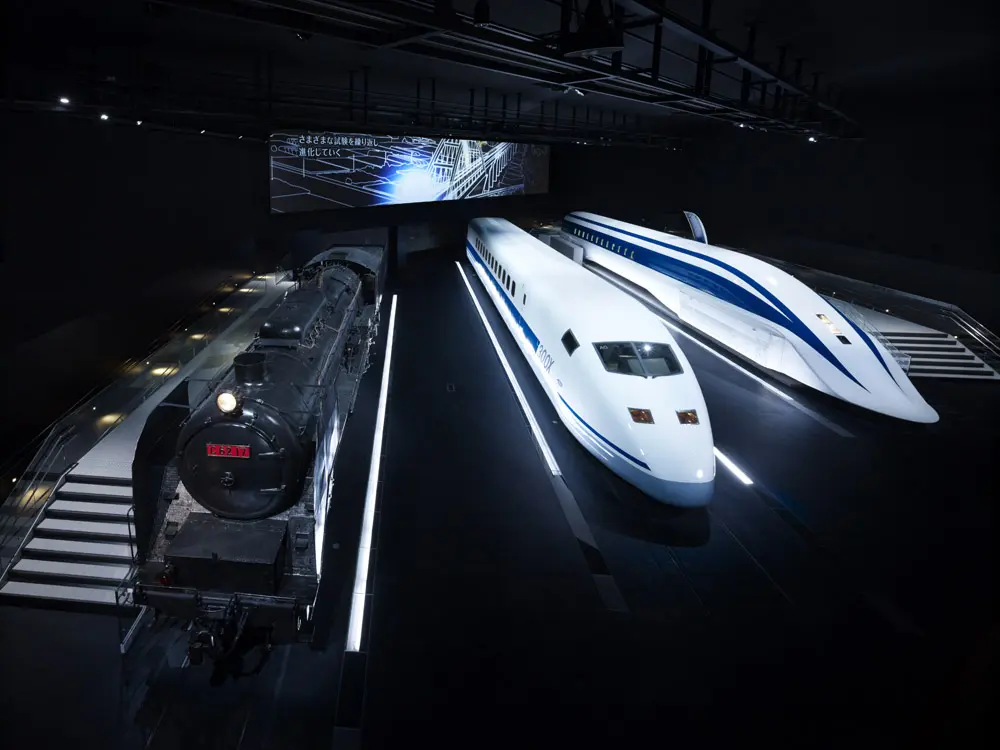
"Symbol exhibit". Train cars that marked the world record of velocity emerge in the exhibition space with reduced illumination.
-
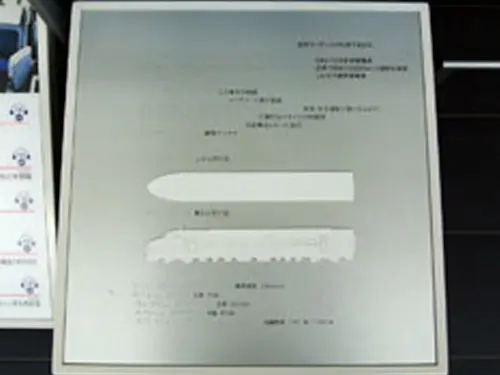
Tactile maps of the exhibited vehicles with outline cuts and explanations in Braille
-
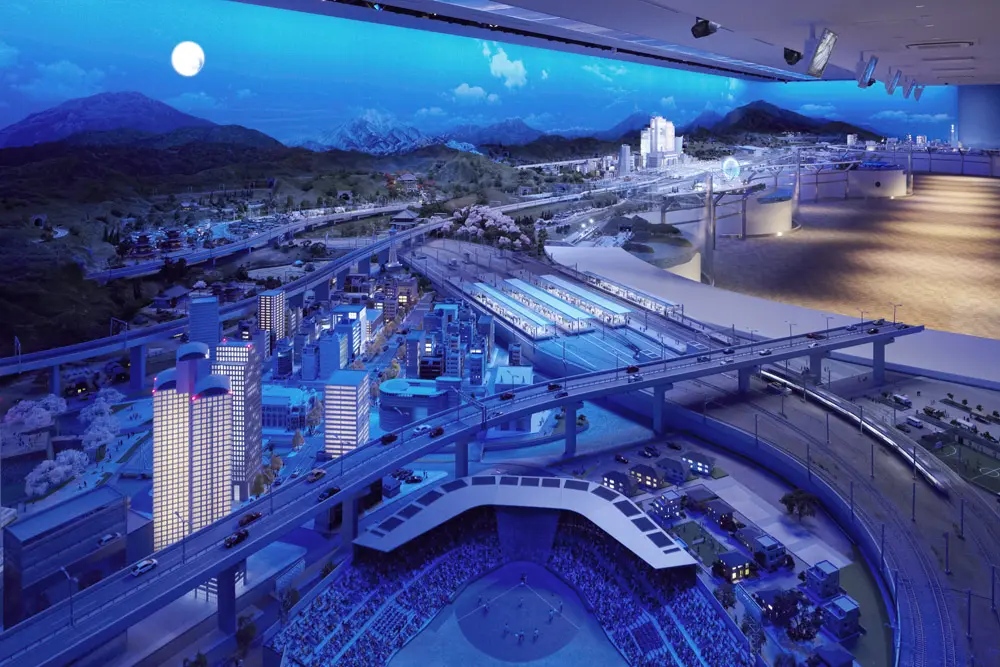
Detailed and realistic railway diorama: fun scenes everywhere you look
-
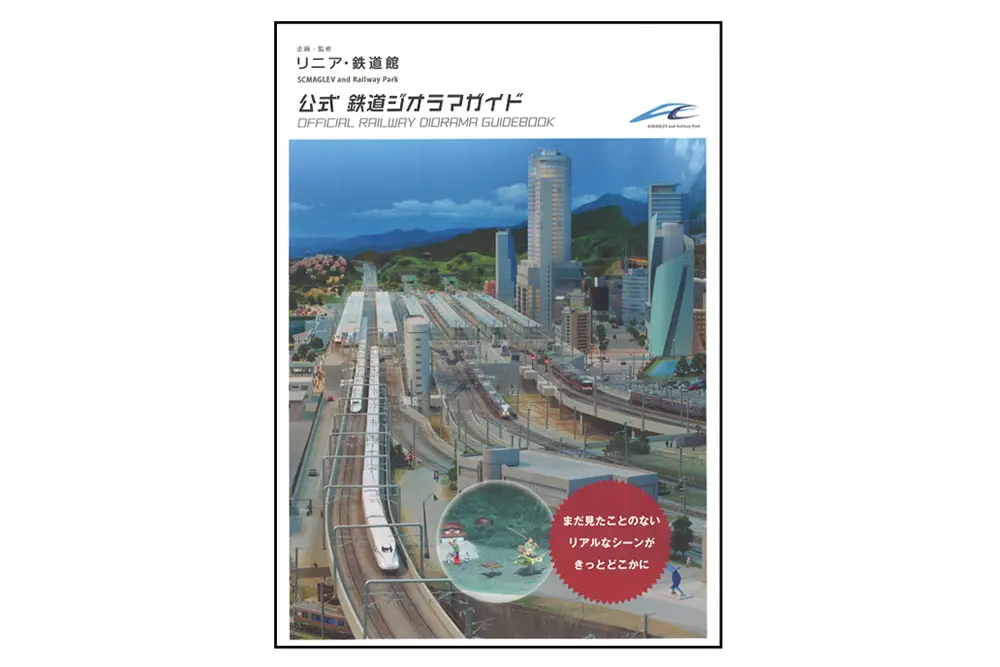
The Official Railway Diorama Guide, published jointly by our company and Yamane Co., Ltd., is now on sale at the museum shop.
-
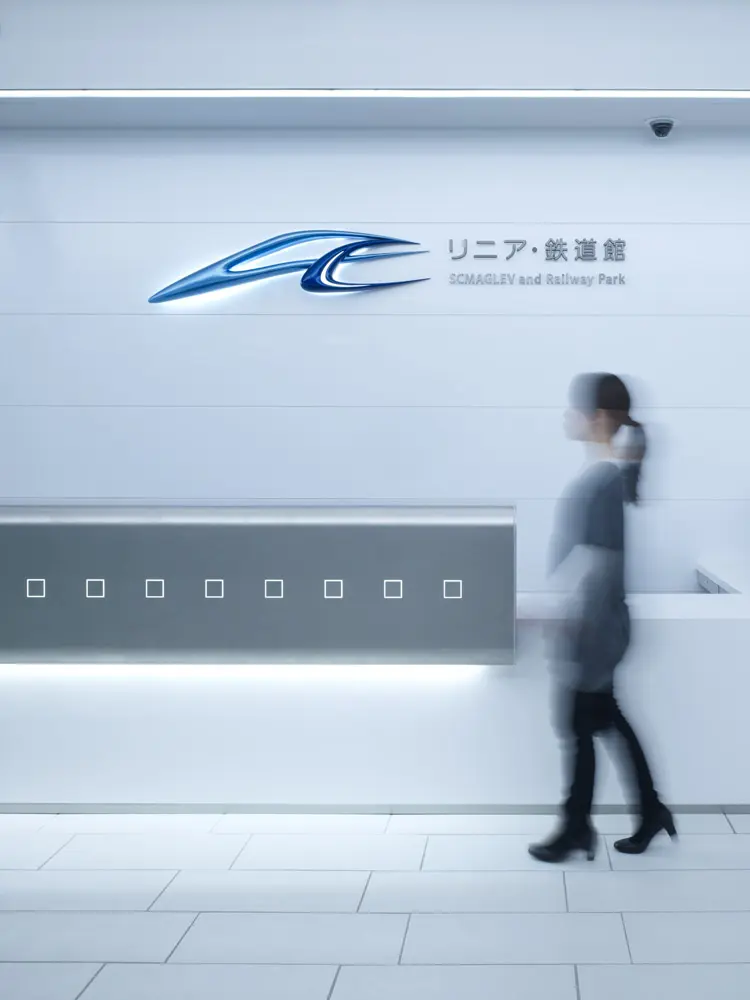
The logo mark decorating the entrance was also created by our company
-
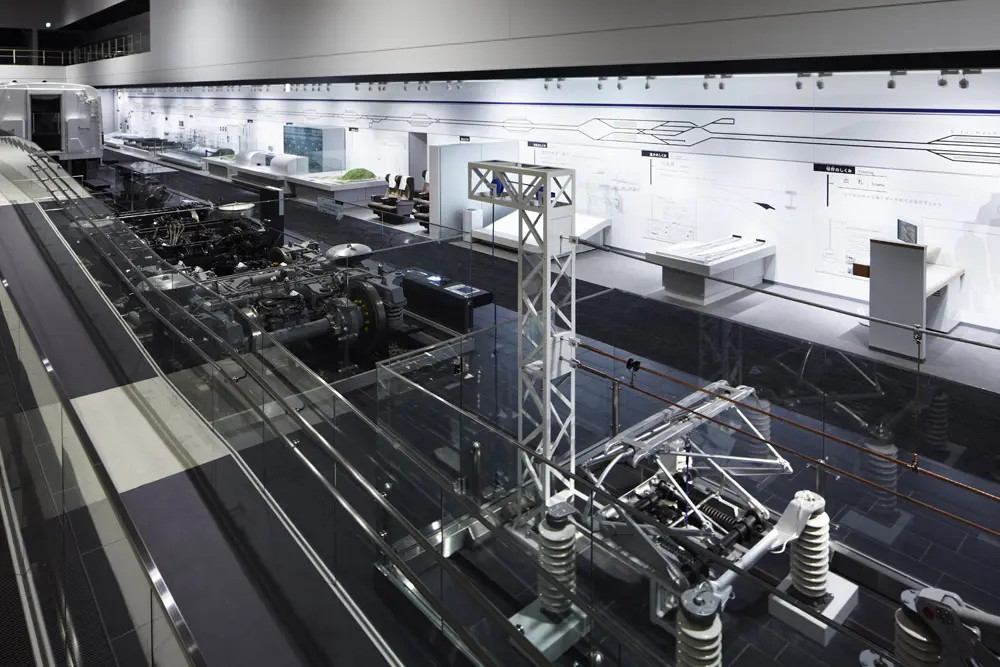
"Mechanism of railroads" compares 0 series and 300 series Shinkansen bullet trains, and introduces the high-speed railway technology and its maintenance.
Photo: Forward Stroke inc.
About the Project
| Overview | An educative museum where both young and old can learn from diverse angles the progress of high-speed railway technology and the impact of the railroads on the society. The exhibits consist of real train cars from successive Tokaido Shinkansen (bullet train) and conventional lines to next-generation superconducting linear motor cars, exquisite railway model diorama, conducting simulator, mechanism of railroads, live experience exhibit, history exhibition etc. |
|---|---|
| Issues/Themes | (1) To communicate the progress of high-speed railway technology and its contribution to the society (2) To create a space where children can learn the railway technology and the relationship between railroads and society. |
| Space Solution/Realization | (1) The train car's progress and its contribution to the society have been appealed, with 3 symbolic cars that marked the world record of velocity, and 29 meter wide linked video screen. The cars are displayed in "V" shape in cars exhibition area, for a better impression of the progress of high-speed railway technology. Enough space is devoted for a realistic understanding of the technology progress through the comparison of 0 series and 300 series Shinkansen (base, motor, pantograph etc.) Maintenance of cars and railroads is deeply explained, and the people & technology who support the high-speed service are also introduced. (2) Visitors can not only realize the railway technology with live experience machines, but understand the progress of high-speed railway technology and its relationship with the society, through document and video presentation of historical developement. |
| Design for Environment | Tactile explanatory panels have been created so that people with visual impairments can feel at ease, and audio guides are available in eight languages (Japanese, English, Chinese, Korean, French, German, Spanish, and Portuguese). |
Basic Information
| Client | Central Japan Railway Company |
|---|---|
| Services Provided | Basic Planning, Display Design & Layout, Display Production & Construction |
| Project Leads at Tanseisha | Chief Direction : WADA Akihiko Planning: Haruhiro Tateishi, Yukino Sekimoto, Jin Kasuga Design: Masashi Koyama, Yasuhiro Yoshida, Miho Ishiwata Special modeling (diorama) design: Hiroshi Nakai Production: Katsumi Kato, Akio Misawa, Yoichi Goto, Takahiro Nakagawa Public relations: Makoto Tsuruoka, Kazunari Sakai, Junji Sato |
| Awards | Display Industry Grand Prix 2011 Display Design Award 2011 The 45th Sign Design Award |
| Location | Aichi, Japan |
| Opening Date | March, 2011 |
| Website | https://museum.jr-central.co.jp/ |
| Tag |
An exhibit that highlights the significance of the vehicle
The SCMAGLEV and Railway Park features three iconic vehicles: the C62 steam locomotive, which holds the world's highest speed record; the Shinkansen test train (300X); and the superconducting maglev train MLX01-1. In addition, a total of 39 actual vehicles are on display, including successive generations of the Tokaido Shinkansen and conventional trains. There was a need for exhibits that would highlight the social and technological significance of these actual vehicles.
High-speed rail, as a means of intercity transportation, has contributed to society in various ways—economic, cultural, and daily life—throughout history, and its social significance is considerable. Conventional railway lines, on the other hand, have supported local daily life within their role as urban transportation. In order to meet the desire of our customers, who are also railway operators, to convey these things, we have extracted their significance and created Spatial Production that is appropriate to that significance.
The three vehicles on display as symbols each hold the world's highest speed record. Backed by technology in response to the demands of the times, these vehicles became record holders. To bring out their glorious symbolism, we planned a large Video spanning 29 meters in width, lighting Spatial Production that highlight each vehicle in conjunction with Video, and a "dark" spatial design to make these Spatial Production more effective.
In the vehicle display area, where 19 actual train cars are exhibited, we focused on a V-shaped layout to create a sense of high speed. By slightly offsetting the front sections and arranging them in a way that evokes the image of evolution, we aimed to Spatial Production the Tokaido Shinkansen and the conventional line trains.
In these vehicle displays, our involvement in designing the platforms as part of the exhibit design greatly contributed to enhancing the presence of the vehicles. We not only "showcased" the actual vehicles that served as exhibit materials, but also paid attention to even the smallest details, such as ease of viewing the interior, the sense of realism conveyed by the positional relationship with the vehicles, glass partitions, and a viewing flow that prioritized universal design and safety.
The symbolic exhibit and vehicle display area feature a spatial design that emphasizes the contrast between "light and shadow." The symbolic exhibit, with its "dark" space designed to highlight its significance through Spatial Production, and the "bright" space, illuminated by skylights to bring out natural beauty, are composed of these two spaces, emphasizing the overall contrast and differentiating the character of each space. We are proud to have created an impressive space by guiding visitors from the bright entrance to the "dark" of the symbolic exhibit, and then to the "bright" of the vehicle display area.
"Symbol exhibit". Train cars that marked the world record of velocity emerge in the exhibition space with reduced illumination.
Tactile maps of the exhibited vehicles with outline cuts and explanations in Braille
"Railway dioramas" that captivate with their intricate and realistic scenes
Another major mission was to create one of the largest railway dioramas in Japan, composed of intricate and realistic scenes. Dissatisfied with existing railway museum dioramas that mainly consist of rail layouts and building models, the client aimed to recreate scenes of daily life alongside railways, complete with numerous figurines, for the enjoyment of many visitors. To this end, Central Japan Railway Company and the project team worked together to plan, design, and produce the railway diorama, overcoming numerous challenges along the way.
This railway diorama, which took two years to plan and design and one year to build, has many distinctive features.
The open diorama, uncovered by glass, features a full 16-car Tokaido Shinkansen train, and recreates 24 hours of railway operation, including nighttime maintenance scenes. The in-house developed digital operation system plays a particularly crucial role. Because it's digitally controlled, multiple train sets can be freely operated on a single line. And by using this system as a platform, it became possible to integrate and control all aspects of Spatial Production, including lighting, Video, and sound.
As this is a museum for Central Japan Railway Company (JR Tokai), a full 16-car Tokaido Shinkansen train was essential. However, when calculated to scale, its length is surprisingly about 5 meters. The platform on which the full train stops also has to be sized to match that length. As a result, Nagoya Station asserts a strong presence at the center of the diorama. There is also Spatial Production that the project team called "Nagoya Action." The situation of Shinkansen trains arriving at and departing from Nagoya Station one after another was realistically reproduced thanks to the digital operation system. This was another point of focus. Needless to say, our customers are railway operation professionals. We had their professional staff plan the operating schedule for the model trains. This, too, was a major factor in the success of this realistic railway diorama.
And then there are the numerous scenes brought to life by the figures. The figures filling baseball stadiums and concert halls are truly breathtaking. The scenes recreating townscapes range from familiar sights to scenes from fairy tales, and no matter where you look, you'll find a playful spirit that will leave you thoroughly entertained. This appeal has been well-received, and it has finally borne fruit, leading to the publication of the "Official Railway Diorama Guide." It was co-published by our company and our partner company, Yamane Co., Ltd., and is sold exclusively at the museum shop of the SCMAGLEV and Railway Park. We hear that it's so popular that it's being purchased by families and women alike.
Detailed and realistic railway diorama: fun scenes everywhere you look
The Official Railway Diorama Guide, published jointly by our company and Yamane Co., Ltd., is now on sale at the museum shop.
A museum promoting the superconducting maglev train.
Corporate museums are naturally expected to have a promotional character. In the case of Central Japan Railway Company (JR Central), that character is the Shinkansen and the superconducting maglev train. The exhibits on the safe and stable Shinkansen system, as well as the superconducting maglev train, whose schedule has already become a reality, demonstrate the customer's enthusiasm.
At the end of October, five months before the museum's opening, the L0 series superconducting maglev train was announced as a commercial vehicle. The exhibits related to the superconducting maglev train focused on representing the L0 series after this announcement. Visitors had been grappling with the question of what this train should be like, so it was necessary to recreate that at the SCMAGLEV and Railway Park.
We repeatedly reviewed the story structure, redrew the CG, and conducted repeated vibration reproduction tests inside the train while receiving guidance. As a result of this trial and error, the superconducting maglev mini-theater was completed. There, the scenery seen from the windows and the small vibrations during the ride create an experience that is only possible because of the superconducting maglev traveling at 500 km/h. This is contributing to the next stage for Central Japan Railway Company.
Furthermore, the Shinkansen's signature blue, which serves as a key color in the spatial design, is also a distinctive feature of the facility. The groundbreaking design of the first Tokaido Shinkansen 0 Series featured a white body with blue lines. From the subsequent models such as the 100 Series, 300 Series, 700 Series, N700 Series, and even the superconducting maglev L0 Series, this color has become the identity of Central Japan Railway Company's high-speed rail.
This color was essential for the Linear Railway Museum's key visual. The blue of the Shinkansen bullet train is used as the key color in all the visible signs, graphics, and Video content, Spatial Production a consistent identity throughout the entire space. This is also reflected in the logo, which is composed of dark and light blues.
The logo mark decorating the entrance was also created by our company
The SCMAGLEV and Railway Park, proud of its mission as a museum
Our spatial design, which deepens the public's understanding of railways, contributes broadly to society, and contributes to the growth and development of the industry, was recognized and led to us receiving the 2011 Display Industry Award (Minister of Economy, Trade and Industry Award). Furthermore, the number of visitors to the SCMAGLEV and Railway Park surpassed 1 million in less than a year after its opening, and as it became a topic of conversation both inside and outside Central Japan Railway Company, as well as within our own company, we began to realize the great significance of it.
These events have reminded us that museums are mechanisms for sharing humanity's achievements. Only by recording, interpreting, and sharing those achievements with many people can a museum truly contribute to the future. The Great East Japan Earthquake of March 11, 2011, in particular, made us acutely aware of the importance of museums in properly preserving, passing on, and sharing things and events.
From the legacy passed down from the distant past, to the wonders that human intellect has glimpsed in the midst of magnificent nature, to the science and technology that looks towards the future, to the literature, art, and folk crafts that capture the essence of humanity in the medium, and to the countless tools that breathe life into daily life and are imbued with ingenuity... these things and events, imbued with wisdom, are undoubtedly the pinnacle of human achievement.
The SCMAGLEV and Railway Park, which exhibits actual record-holder vehicles, the social contributions of railways, and the high-speed rail that Japan pioneered through its comprehensive system capabilities, is truly a museum where we can share in the achievements of humankind. We are proud to have been involved in this work.
"Mechanism of railroads" compares 0 series and 300 series Shinkansen bullet trains, and introduces the high-speed railway technology and its maintenance.
*The shared information and details of the project is accurate as of the date they were posted. There may have been unannounced changes at a later date.
Related Achievements
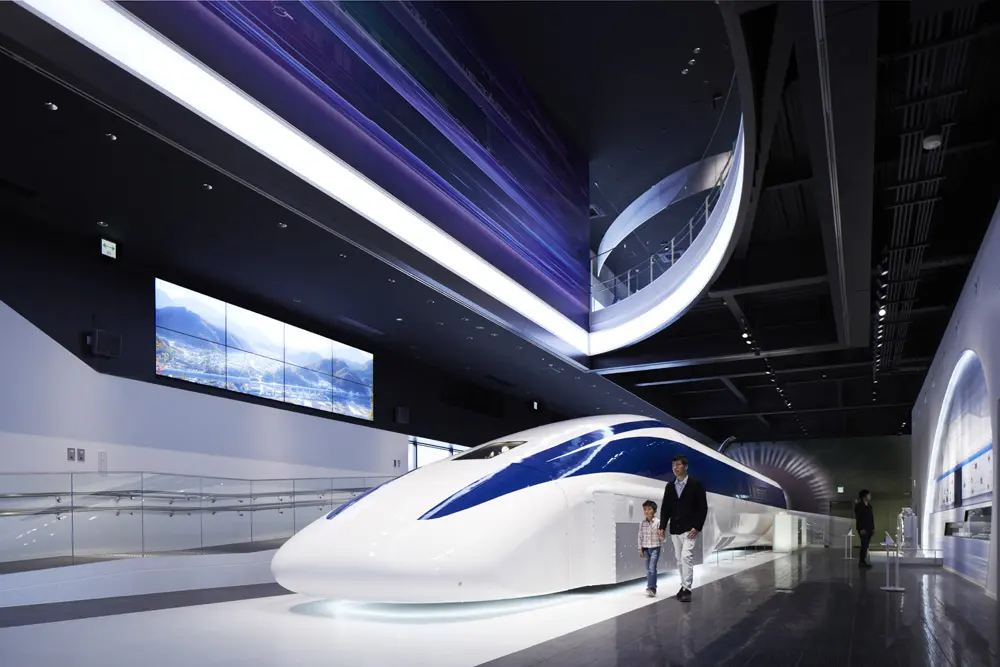
Yamanashi Prefectural Linear Exhibition Center
Experience the power and speed of a superconducting linear train at 500km per hour up close
- Cultural Spaces
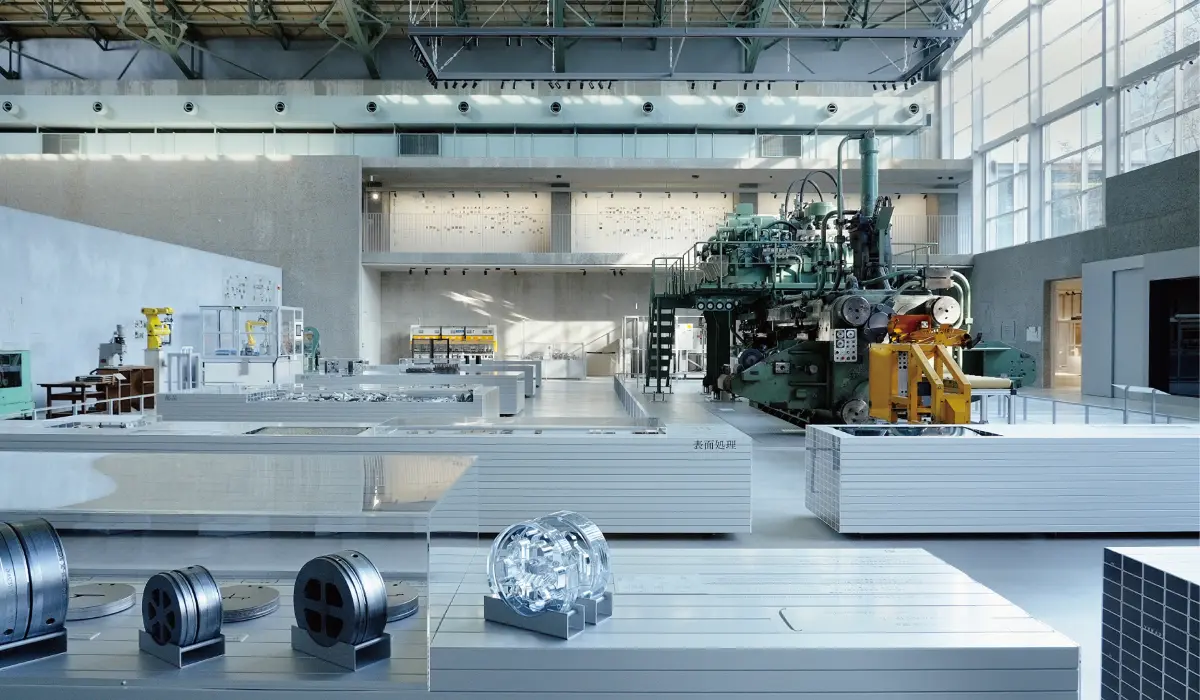
YKK AP Technology Museum
Leveraging the historical value of YKK AP's founding factory, we inherit the DNA of manufacturing.
- Cultural Spaces
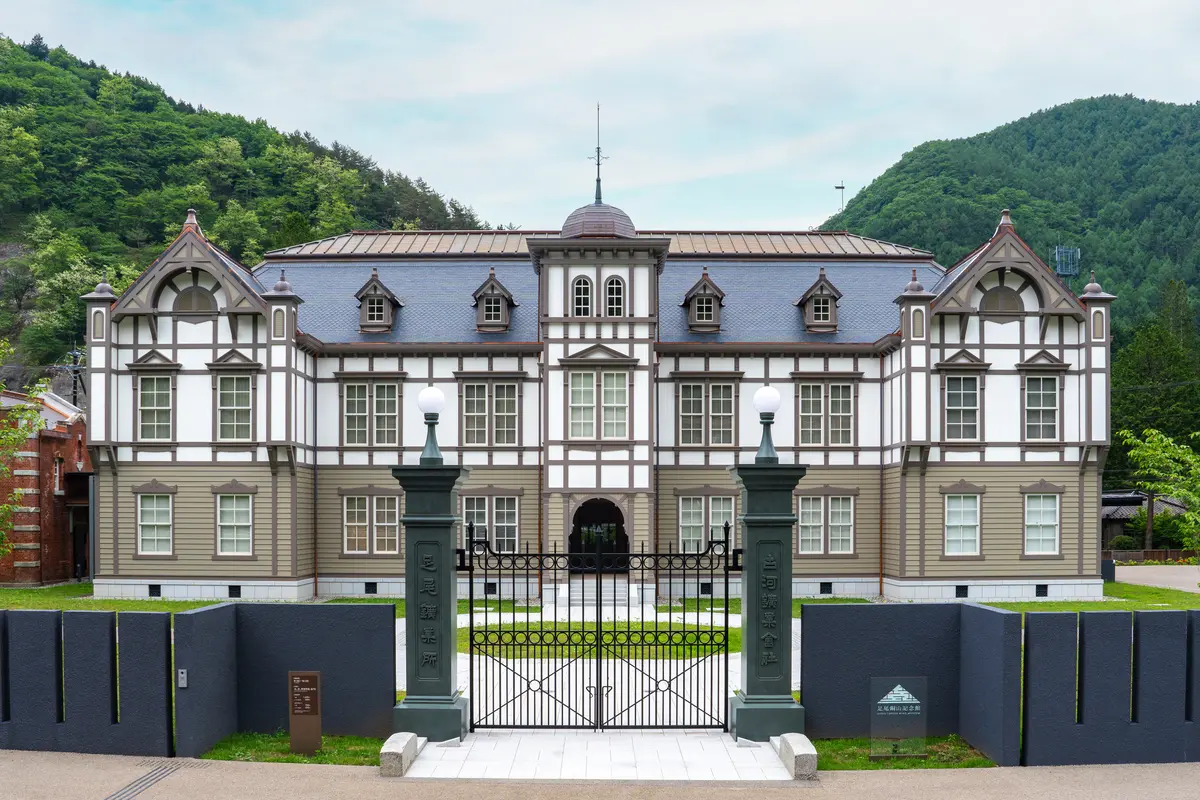
Ashio Copper Mine Memorial Museum
Passing on the "passion" that began in the mine to the next generation.
- Cultural Spaces
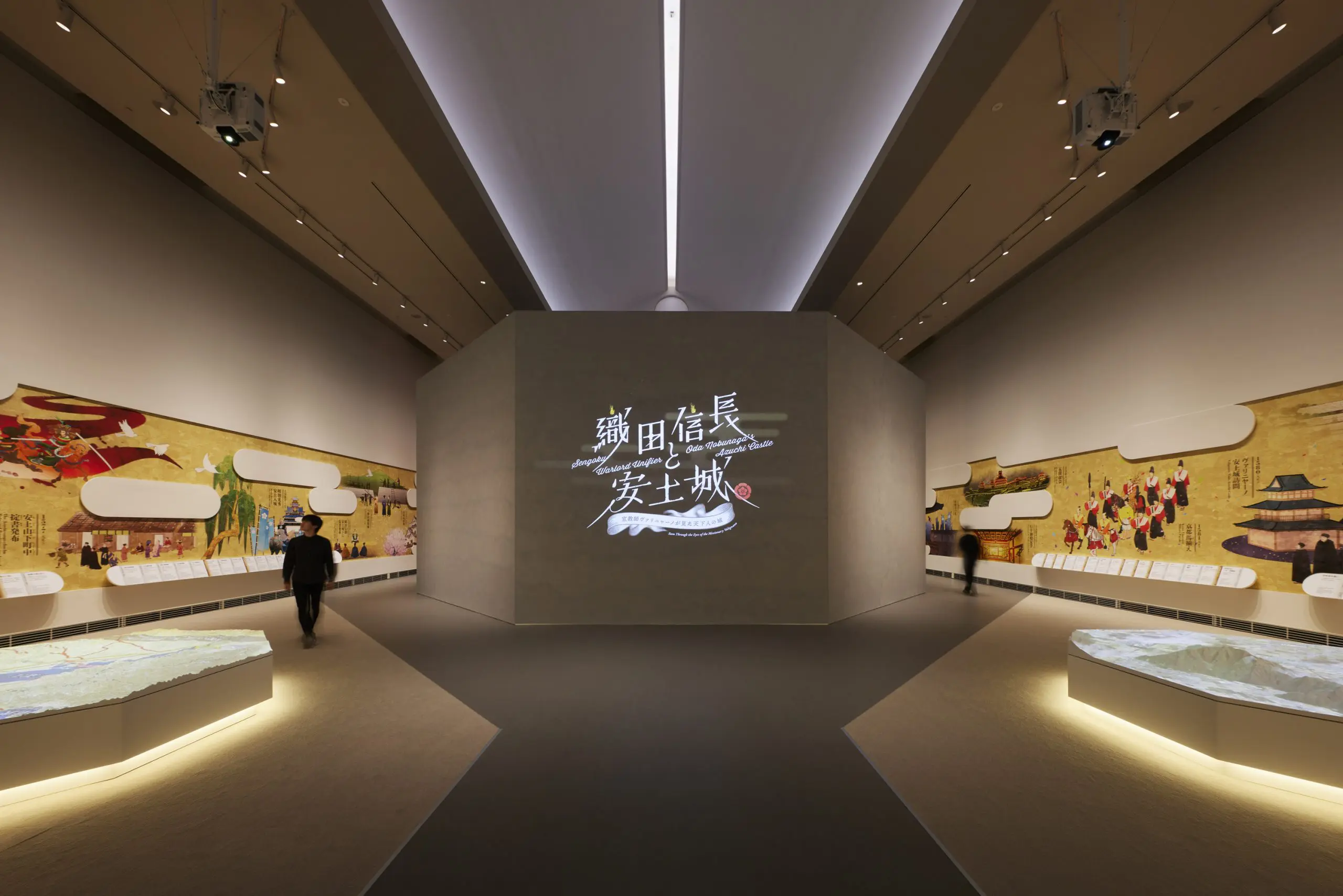
Shiga Prefectural Azuchi Castle Archaeological Museum
To become a unique hub for conveying the allure of Azuchi Castle, Nobunaga, and the Sengoku period to a wide range of generations.
- Cultural Spaces
National Museum of Nature and Science,Japan Gallery, 1st Floor South Wing"Techniques in Observing Nature"Reopen
An exhibition tracing the traces of the ingenuity and creativity of our predecessors.
- Cultural Spaces
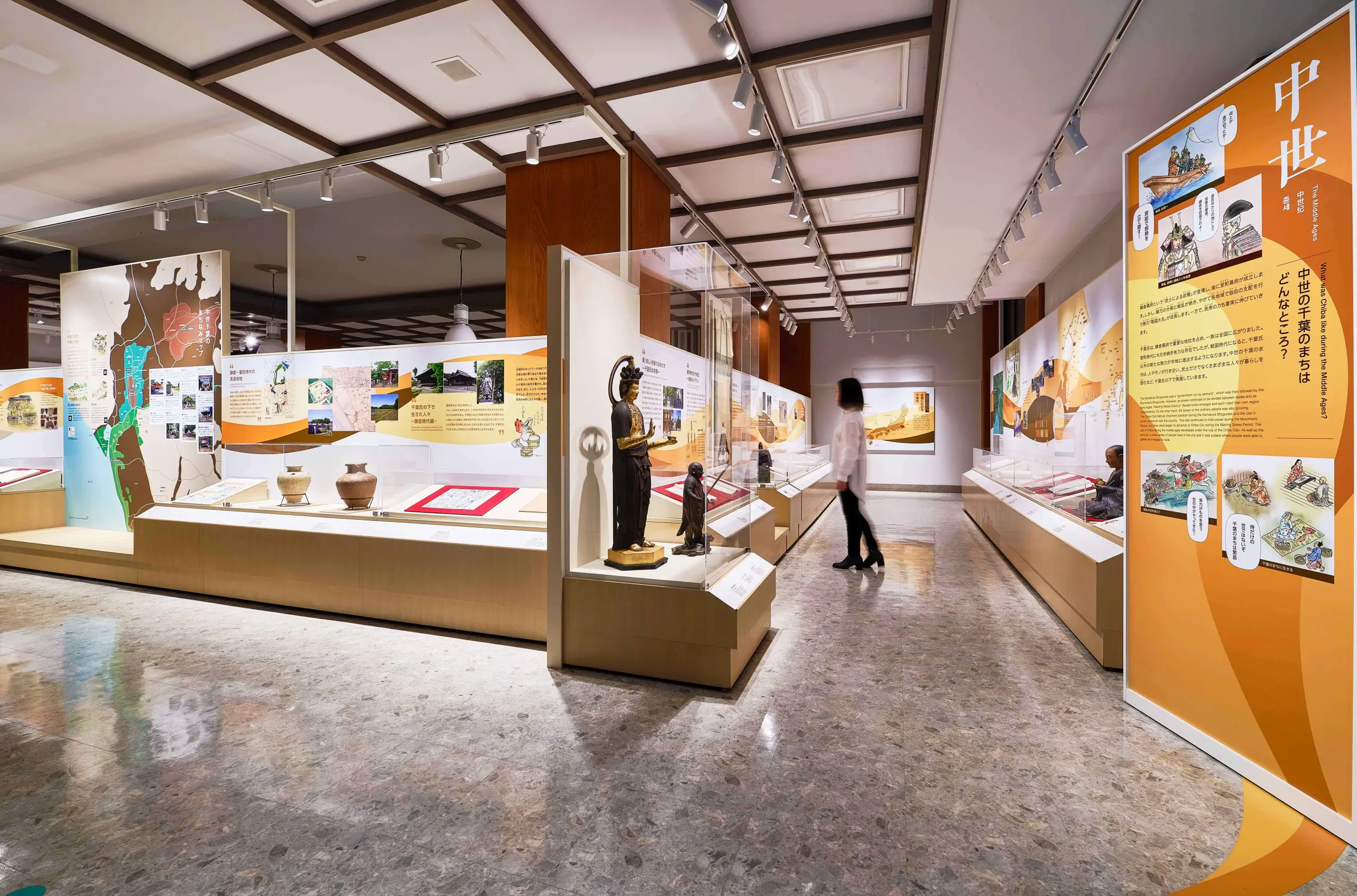
Chiba City Folk Museum
A new cultural hub that fosters civic pride as a symbol of the region and connects history to future generations
- Cultural Spaces
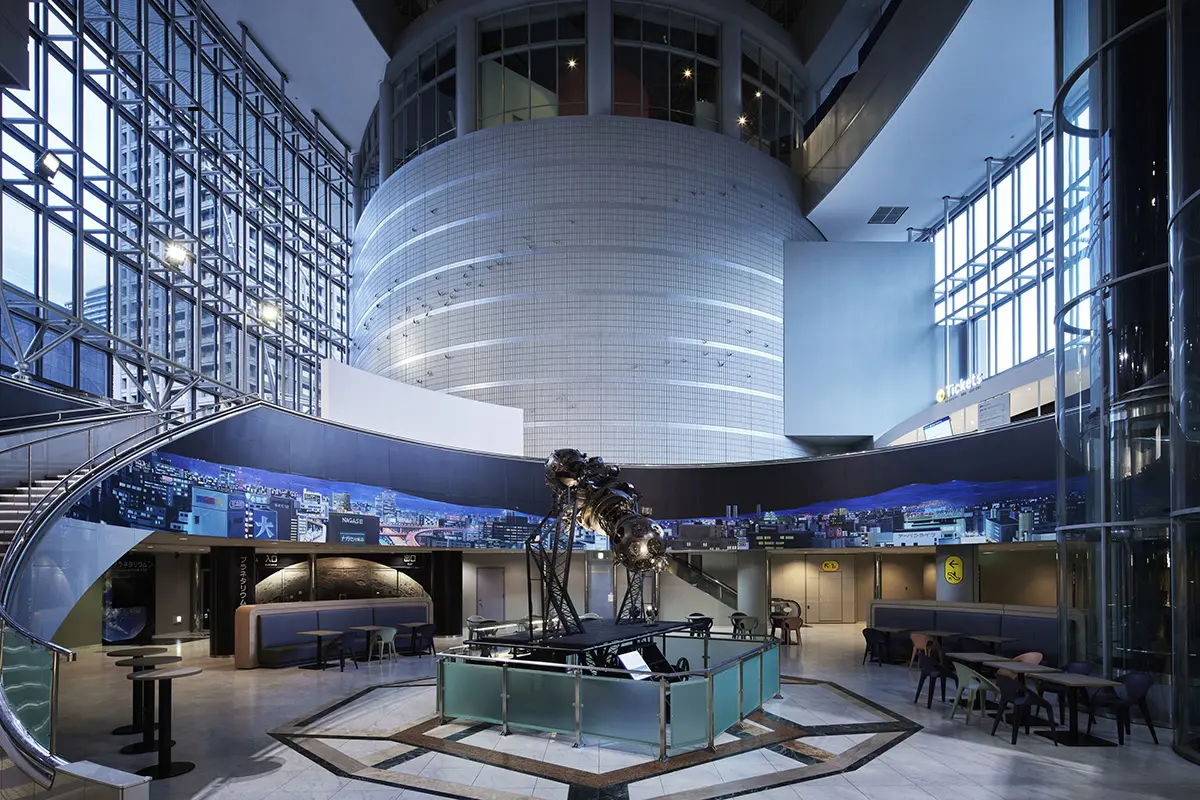
Osaka Science Museum
A unique space where everyone can enjoy science.
- Cultural Spaces
teamLab Biovortex Kyoto
An immersive art museum featuring the largest collection of teamLab artworks in Japan
- Cultural Spaces