



Site Search
- TOP
- Project Details
- List of achievements
- Osaka Science Museum
Osaka Science Museum
A unique space where everyone can enjoy science.
- Cultural Spaces
-
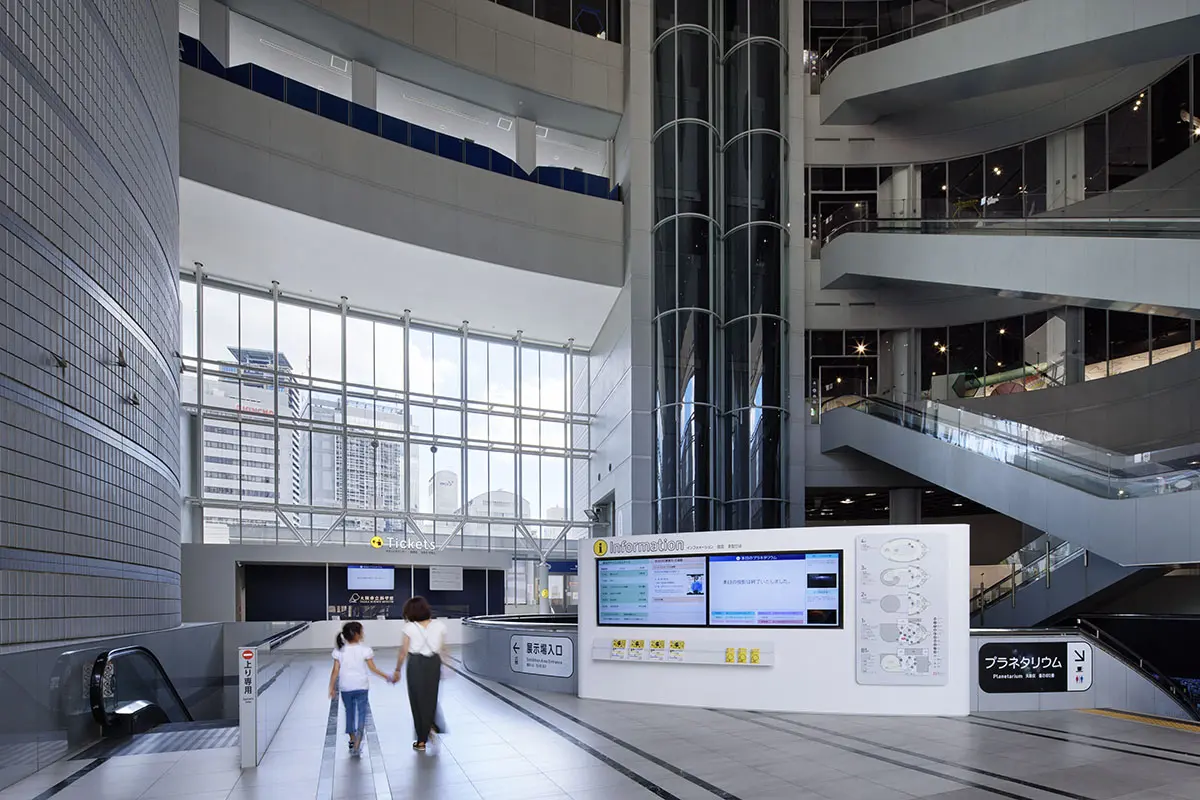
We revised the flow of visitors, making the transition from entry to ticket purchase to exhibition hall smoother. We also introduced an online digital signage system.
-
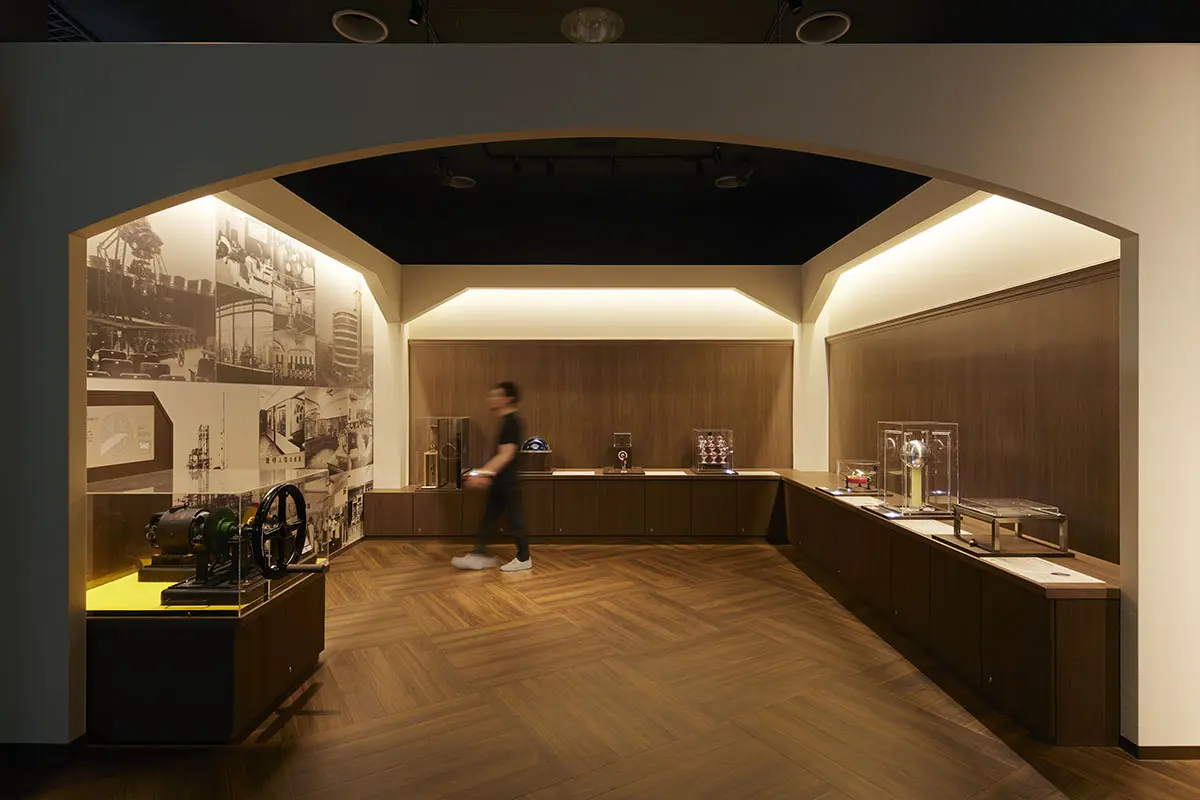
4th Floor "Osaka and Science": Inherits exhibits and interactive items from its predecessor, the Osaka City Electric Science Museum, Japan's first science museum.
-
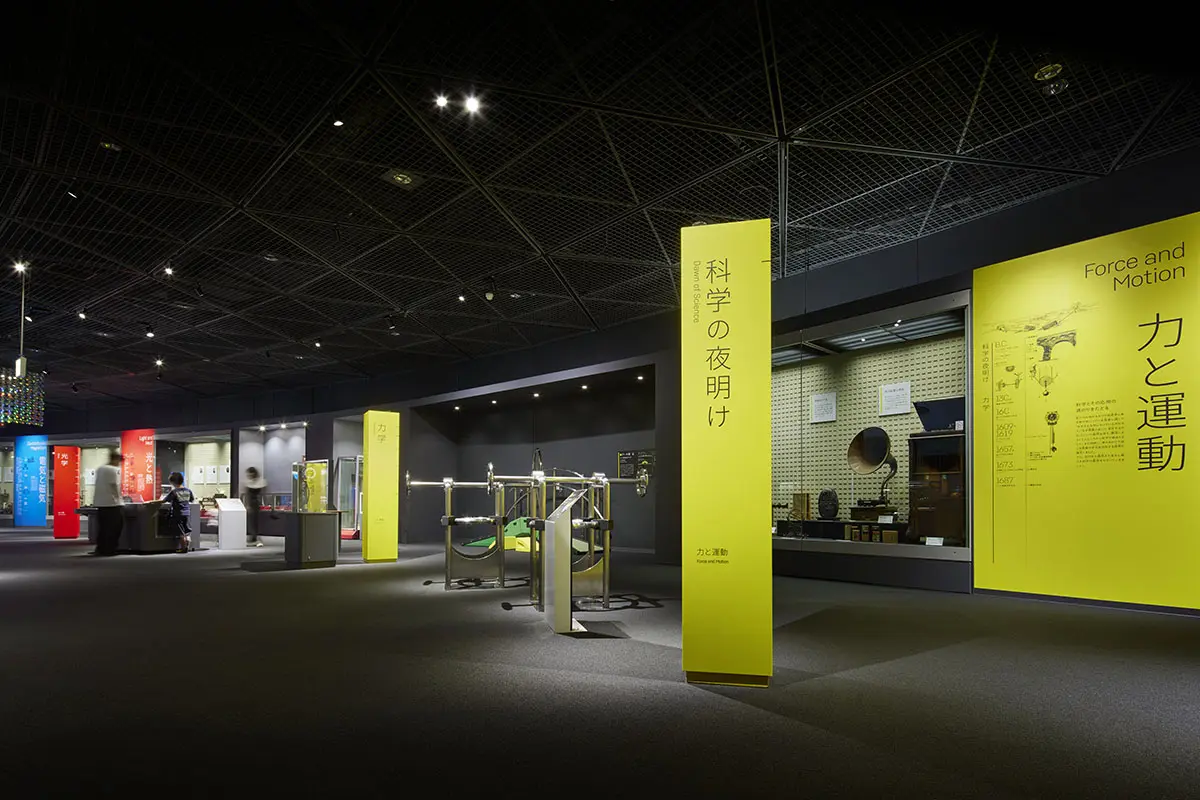
4th Floor "The History and Progress of Science": An exhibition structure that connects historical science materials and interactive items with signage.
-
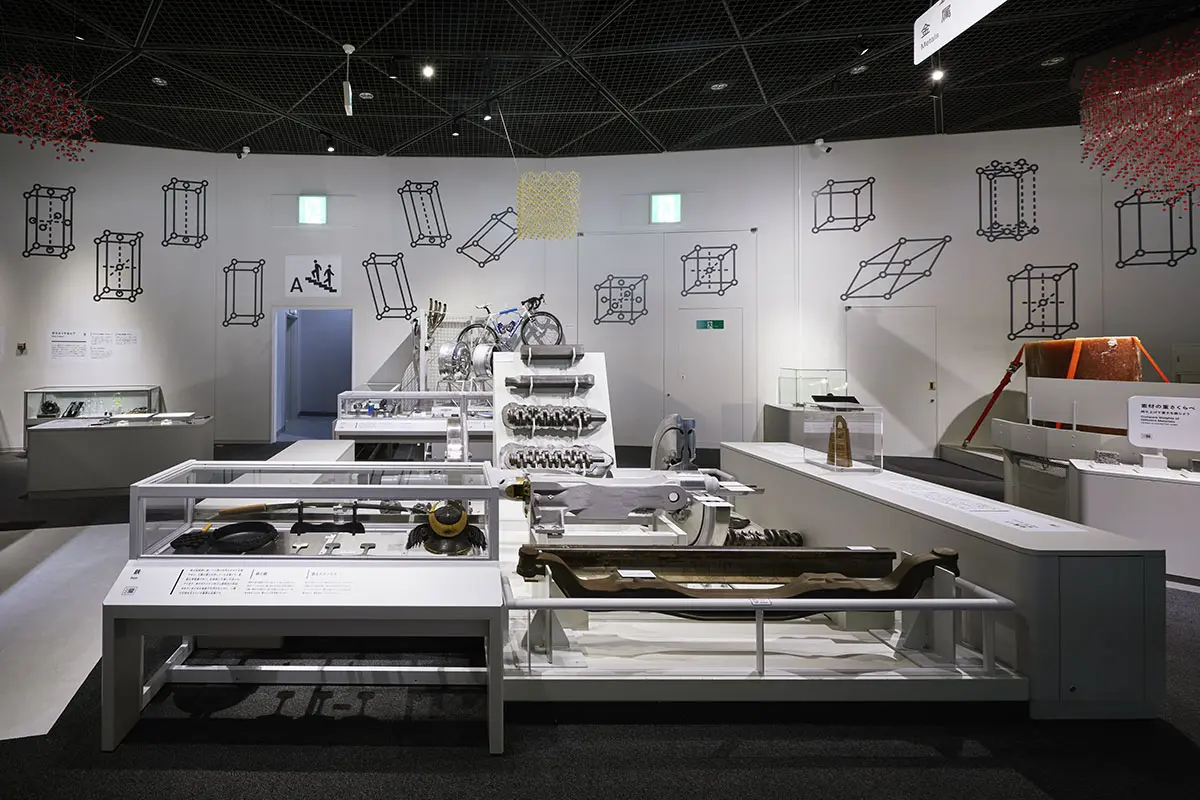
3rd Floor "Exploration of Matter": A comprehensive exhibition combining wall graphics, crystal models, and actual materials, showcasing the world of chemistry in a way rarely seen in Japan.
-
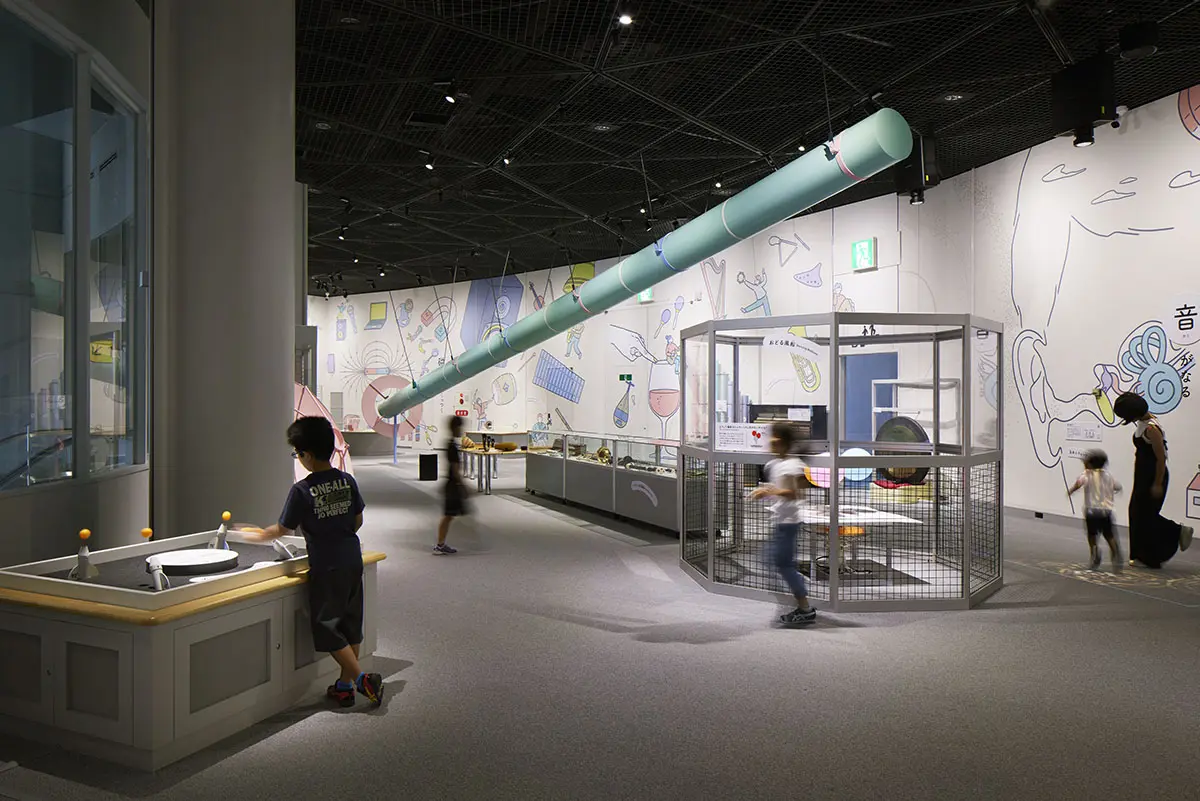
2nd Floor "Science for Everyone": A variety of items and wall graphics designed to help you experience the connection between everyday phenomena and scientific principles.
-
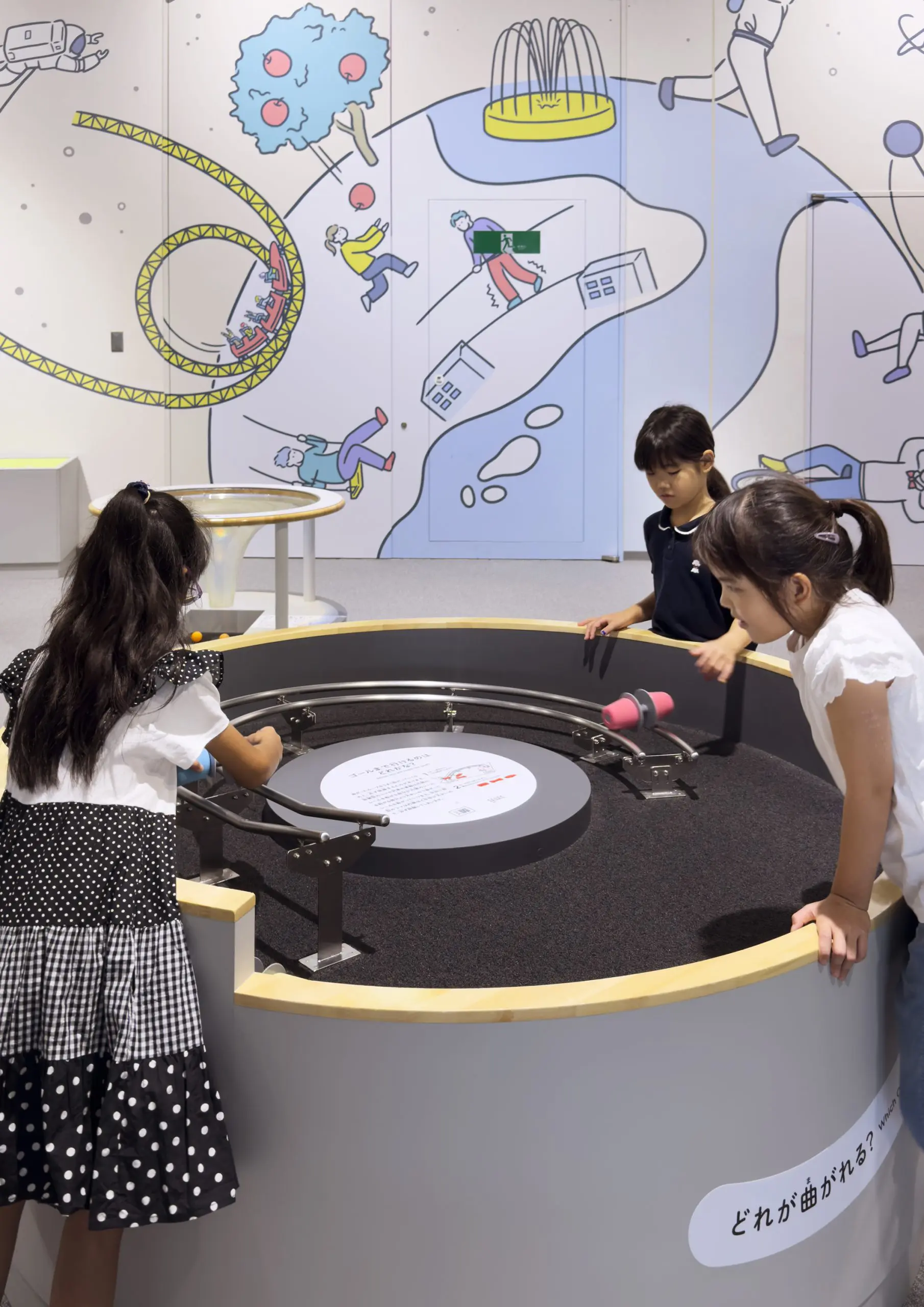
2nd Floor "Science for Everyone": Experiential items designed with ease of understanding and safety in mind so that children can enjoy themselves with peace of mind.
-
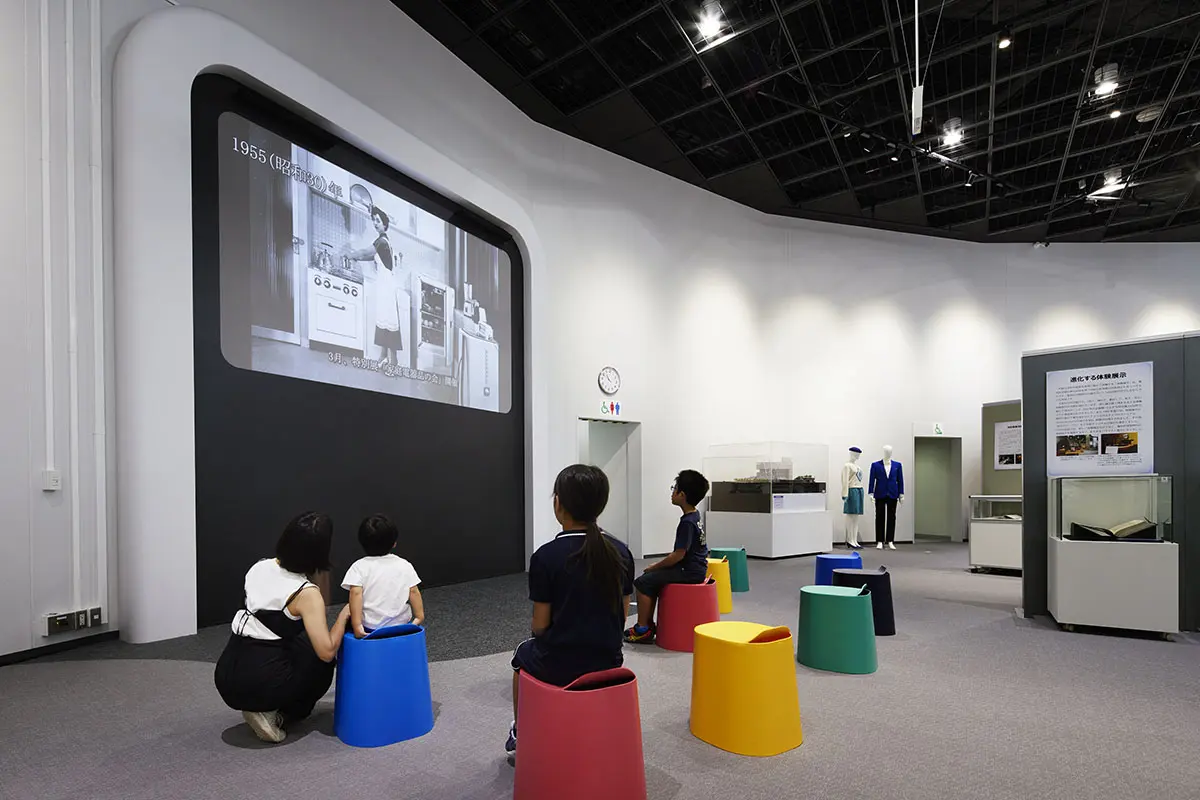
1st Floor "Everyone's Science Lab": A new area for special exhibitions and a mini science show corner have been added.
-
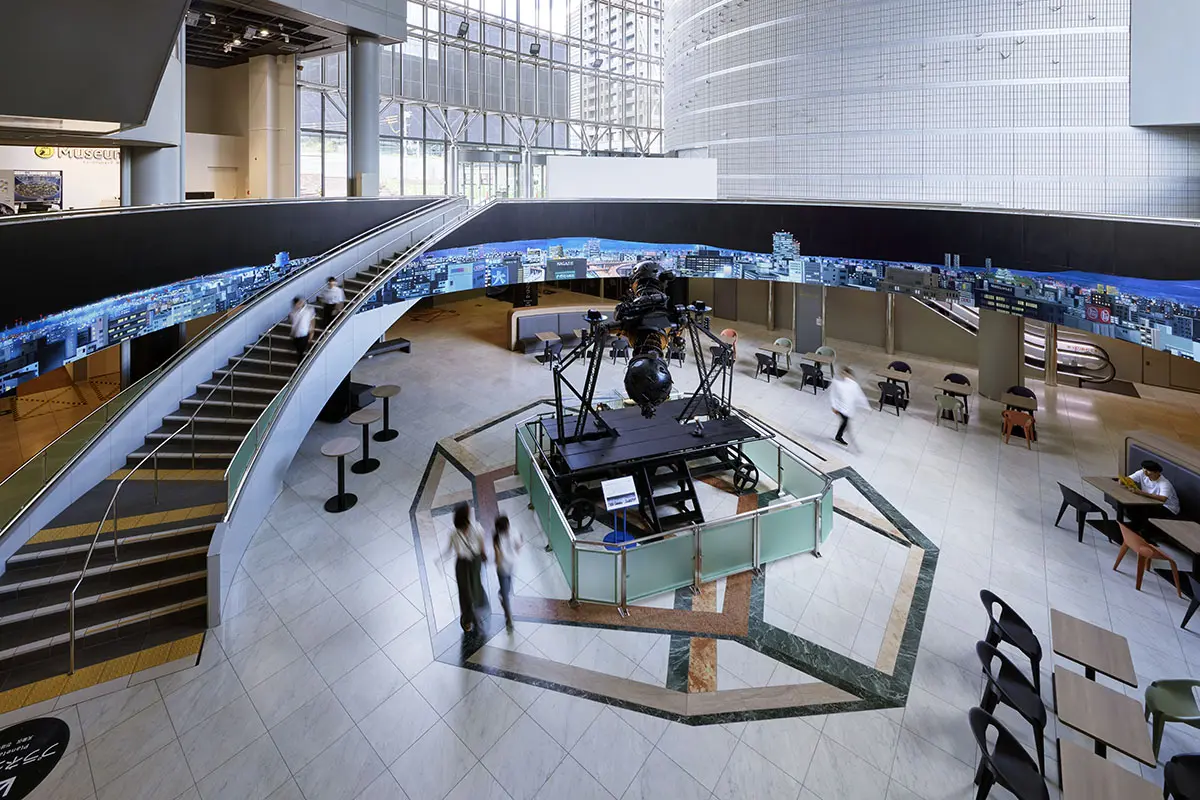
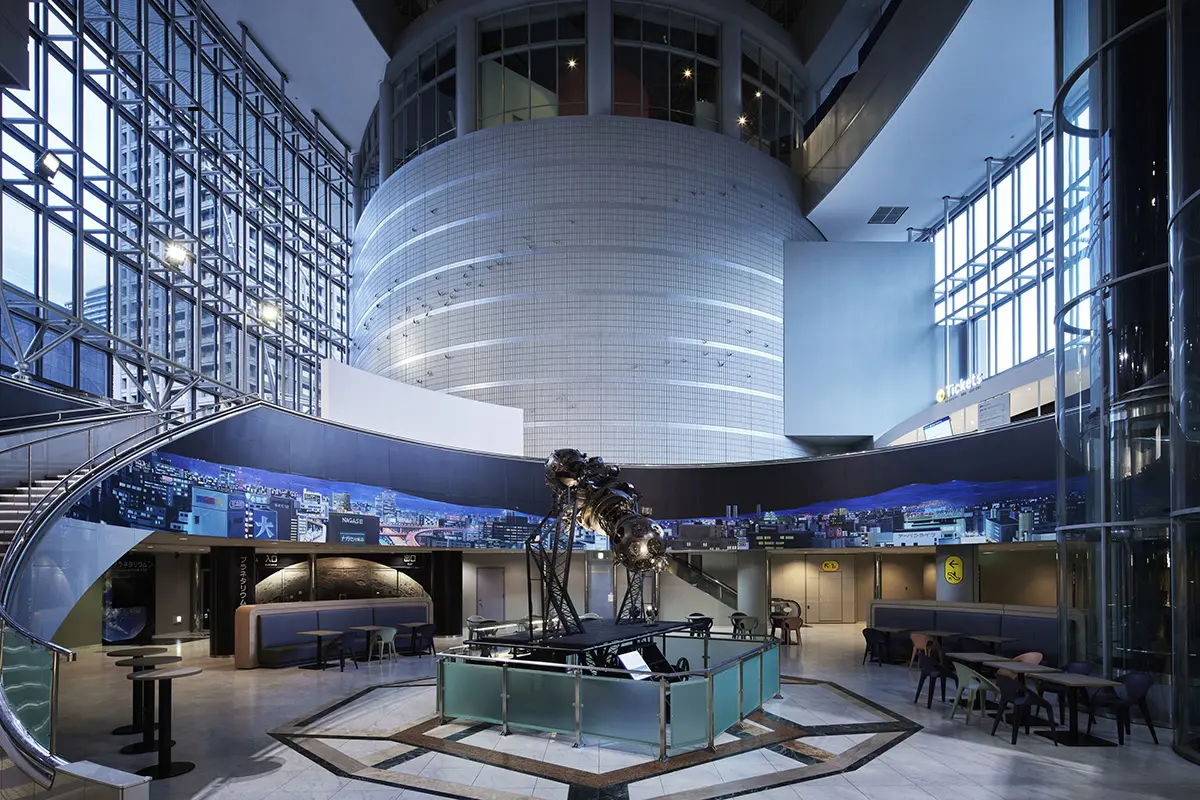
B1F: The Carl Zeiss II planetarium, the first planetarium in East Asia, installed during the time of the Osaka City Electric Science Museum, is displayed in the atrium as a symbol. It is also the motif of the logo.
Filming/Video: KOO-KI, Photography: Forward Stroke inc.
About the Project
| Overview | The Osaka City Science Museum, which inherited the legacy of Osaka City Electric Science Museum, Japan's first science museum, has been loved by citizens for many years. Despite its popularity with over 750,000 visitors annually, the museum underwent its first complete renovation of its exhibition spaces, from the basement to the fourth floor, excluding the planetarium, since its opening in 1989. With its mission of "promoting a culture of enjoying science," the museum aimed to transform itself into "a place where everyone, from adults to children, can enjoy science." |
|---|---|
| Issues/Themes | The museum will emphasize "authenticity," "real objects," and "firsthand experiences," while inheriting its significance as a science history museum and updating its exhibits and experiences to suit the times. Furthermore, with the Osaka-Kansai Expo in mind, it will focus on and develop initiatives that highlight the regional characteristics of Osaka's science and technology. |
| Space Solution/Realization | Under the guidance of museum curators, approximately 200 pieces of content were created, ranging from reproductions of items from the Electric Science Museum era to newer items such as fuel cells. A world view of science was realized as Spatial Production through the introduction of abundant scientific history materials and interactive items, as well as new signage and wall graphics that visually convey scientific principles. Furthermore, we established a visual identity (VI) throughout the entire building, incorporating the building's philosophy into the logo design and the use of yellow as a theme color, creating a unified and cohesive space. |
| Design for Environment | Universal Design: To raise awareness among those sensitive to strong magnetic fields, such as pacemakers, the magnetic field strength was measured for each item and warning signs were attached. Multilingual QR codes were also implemented graphically. Safety Design: Taking into account the characteristics of a facility that is frequently visited by children, the experiential items were designed and constructed with sufficient consideration for durability and safety. |
Basic Information
| Client | Osaka City Museum Organization, Local Independent Administrative Agency |
|---|---|
| Services Provided | Facility Concept Planning, Display Planning, Design, Layout, Production, Construction, Video Production |
| Project Leads at Tanseisha | Overall Direction: Haruhiro Tateishi, Junya Takatsuji Planning: Mugiko Komatsuda, Chiaki Goda, Yuka Hayashi Design: Yu Hieda, Kenta Takenaka, Yoichi Isobe Production, Construction: Yasuteru Irie, Kohei Kitayama, Ayumi Ebata, Megumi Takada, Ikumi Takeo VI Sign: Takahiro Ishikawa Project Management: Shuji Kozaki, Masakazu Sugiura, Tatsuya Yamazaki, Minami Uema |
| Awards | "KUKAN DESIGN AWARD 2025" Longlist |
| Location | Osaka, Japan |
| Opening Date | August 2024 |
| Website | https://www.sci-museum.jp/ |
| Tag |

Overall Direction
Haruhiro Tateishi
He has been involved in planning a wide range of exhibition facilities, mainly museums, for both public and private companies. Many of these are large-scale exhibition facilities related to science and technology, railways, history, and disaster prevention, and as a planner he has been involved in creating concepts and exhibition plans, and in recent years has been in charge of overseeing the entire project, from design to production.
Main Achievements
*The shared information and details of the project is accurate as of the date they were posted. There may have been unannounced changes at a later date.
Related Achievements
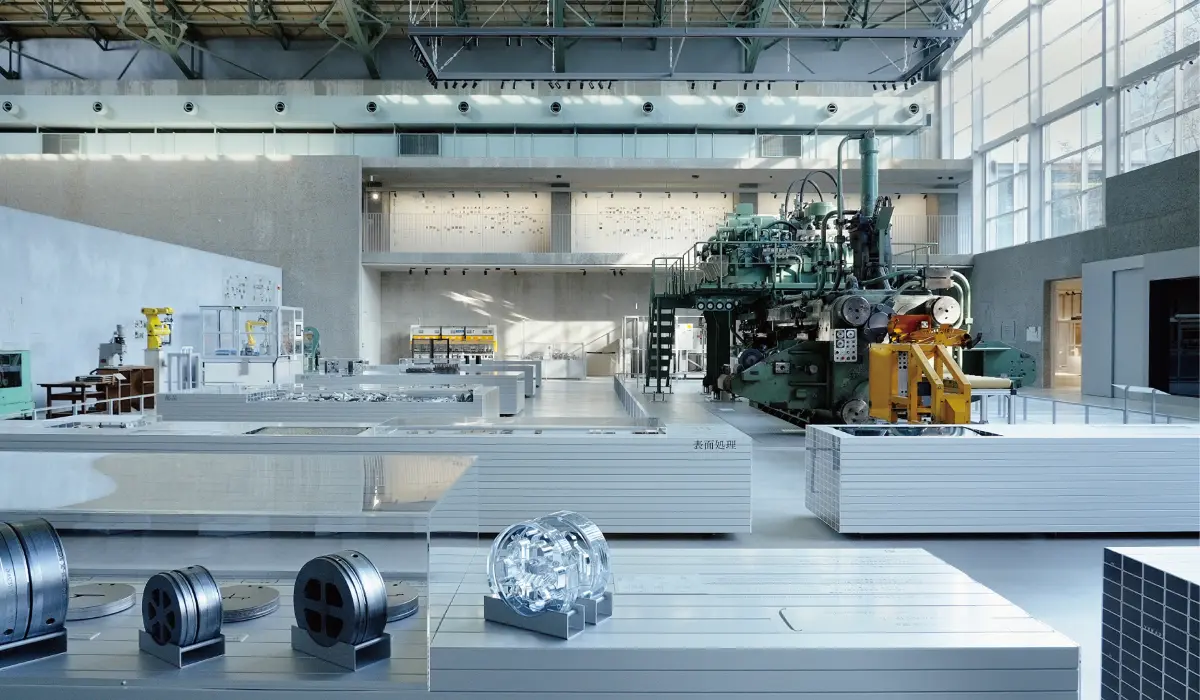
YKK AP Technology Museum
Leveraging the historical value of YKK AP's founding factory, we inherit the DNA of manufacturing.
- Cultural Spaces
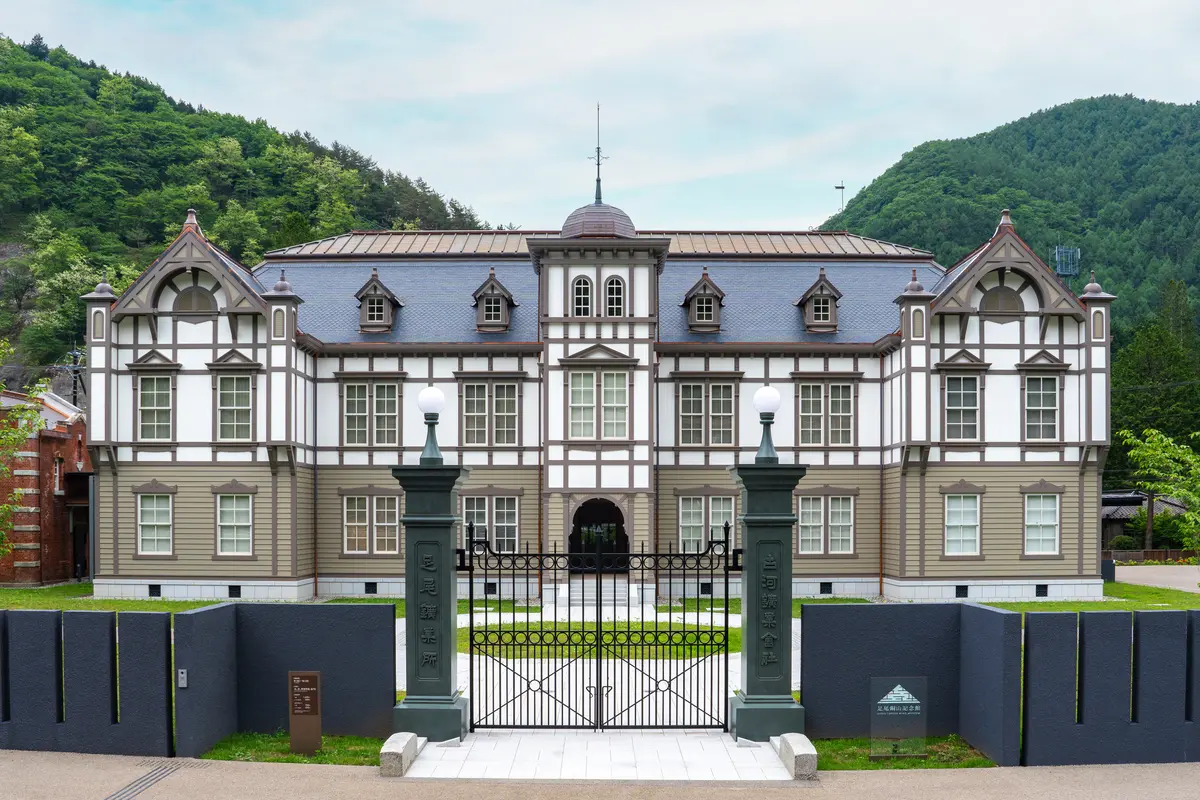
Ashio Copper Mine Memorial Museum
Passing on the "passion" that began in the mine to the next generation.
- Cultural Spaces
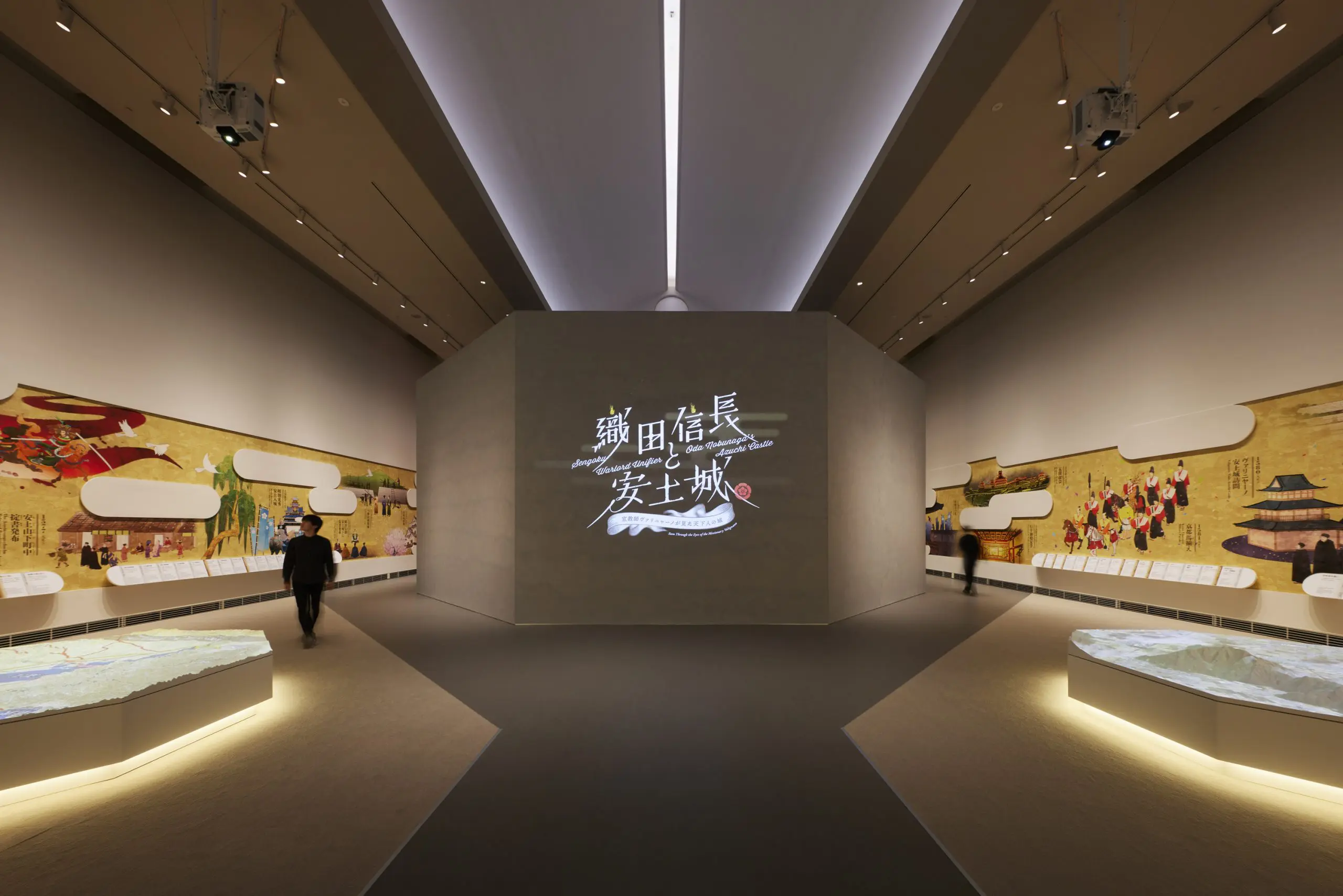
Shiga Prefectural Azuchi Castle Archaeological Museum
To become a unique hub for conveying the allure of Azuchi Castle, Nobunaga, and the Sengoku period to a wide range of generations.
- Cultural Spaces
National Museum of Nature and Science,Japan Gallery, 1st Floor South Wing"Techniques in Observing Nature"Reopen
An exhibition tracing the traces of the ingenuity and creativity of our predecessors.
- Cultural Spaces
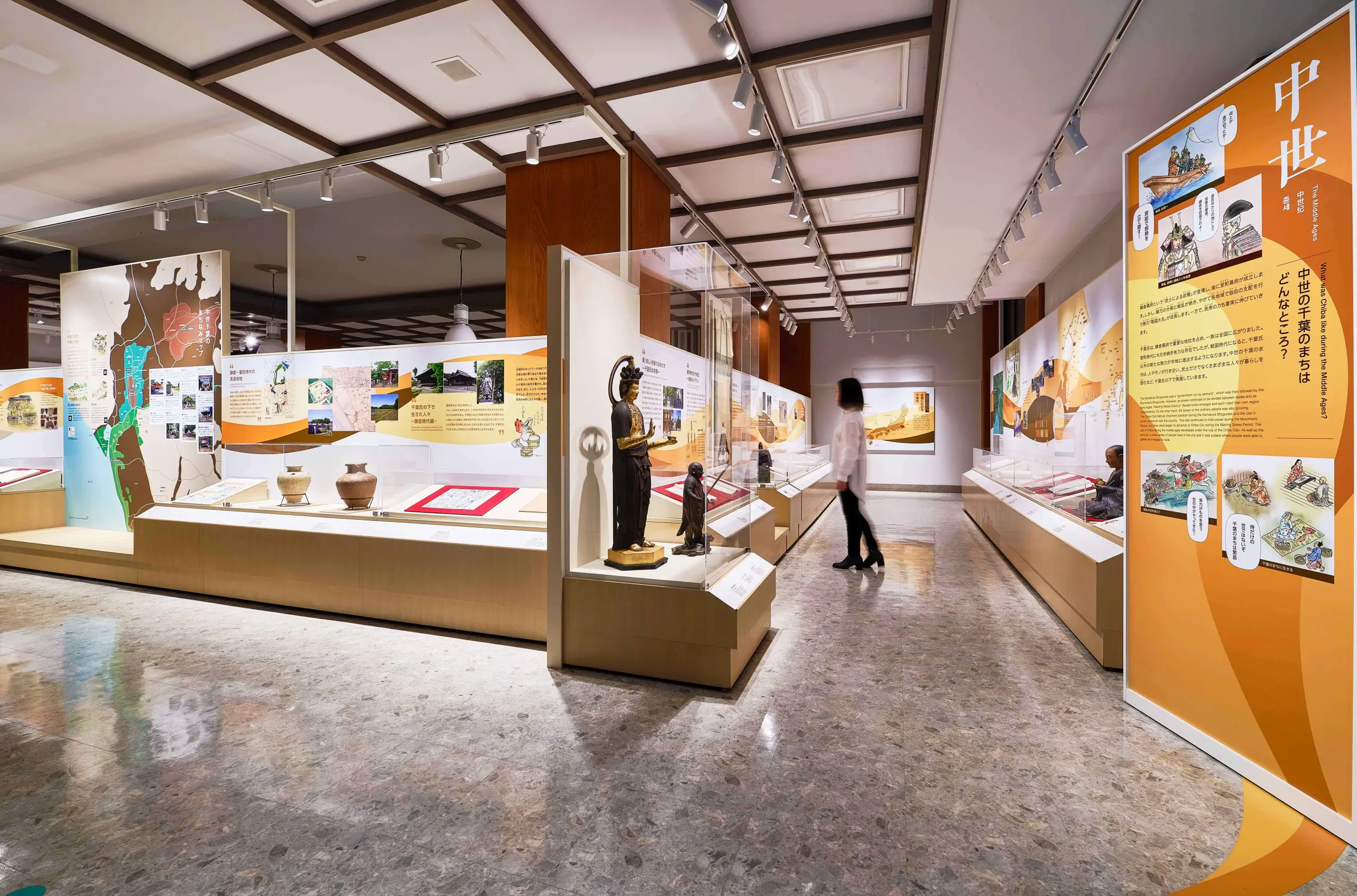
Chiba City Folk Museum
A new cultural hub that fosters civic pride as a symbol of the region and connects history to future generations
- Cultural Spaces
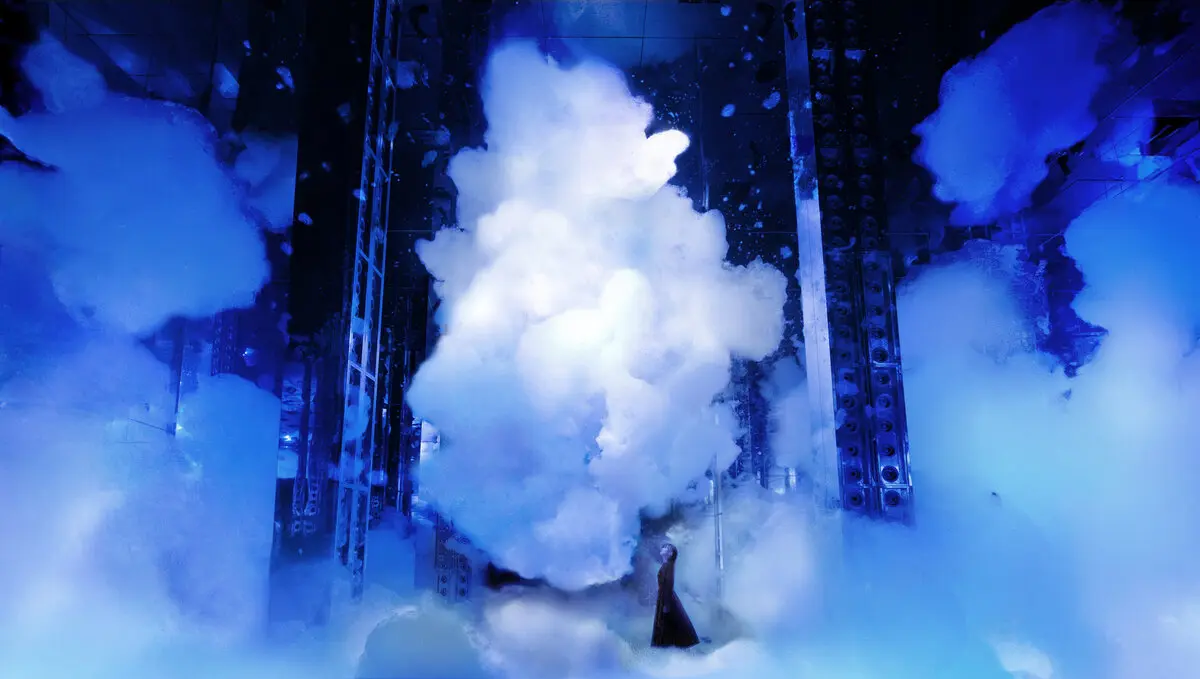
teamLab Biovortex Kyoto
An immersive art museum featuring the largest collection of teamLab artworks in Japan
- Cultural Spaces
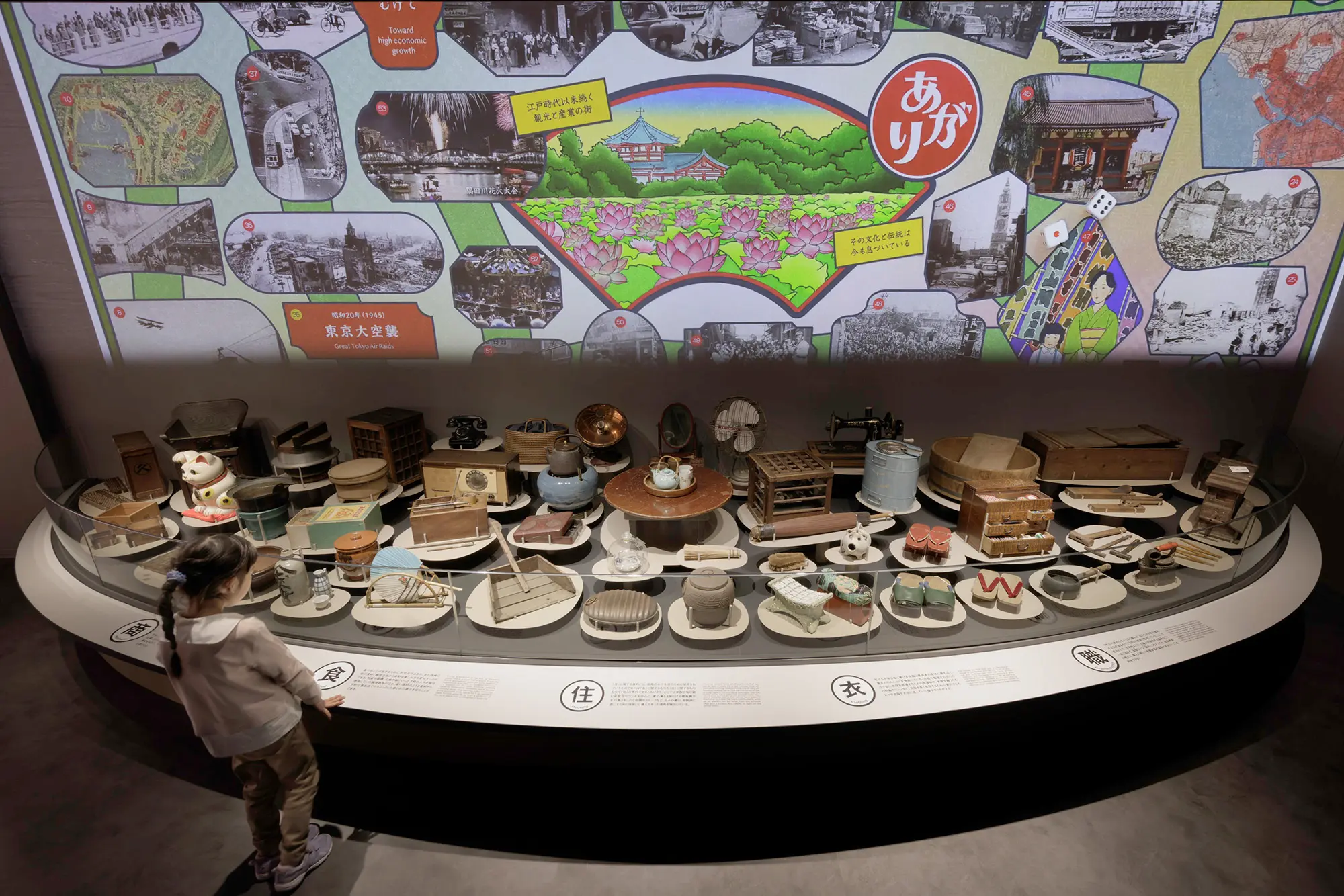
Taito City Shitamachi Museum
Set in Taito Ward, it traces the memories of the downtown area and evokes the scenery and emotions of the city in the past
- Cultural Spaces
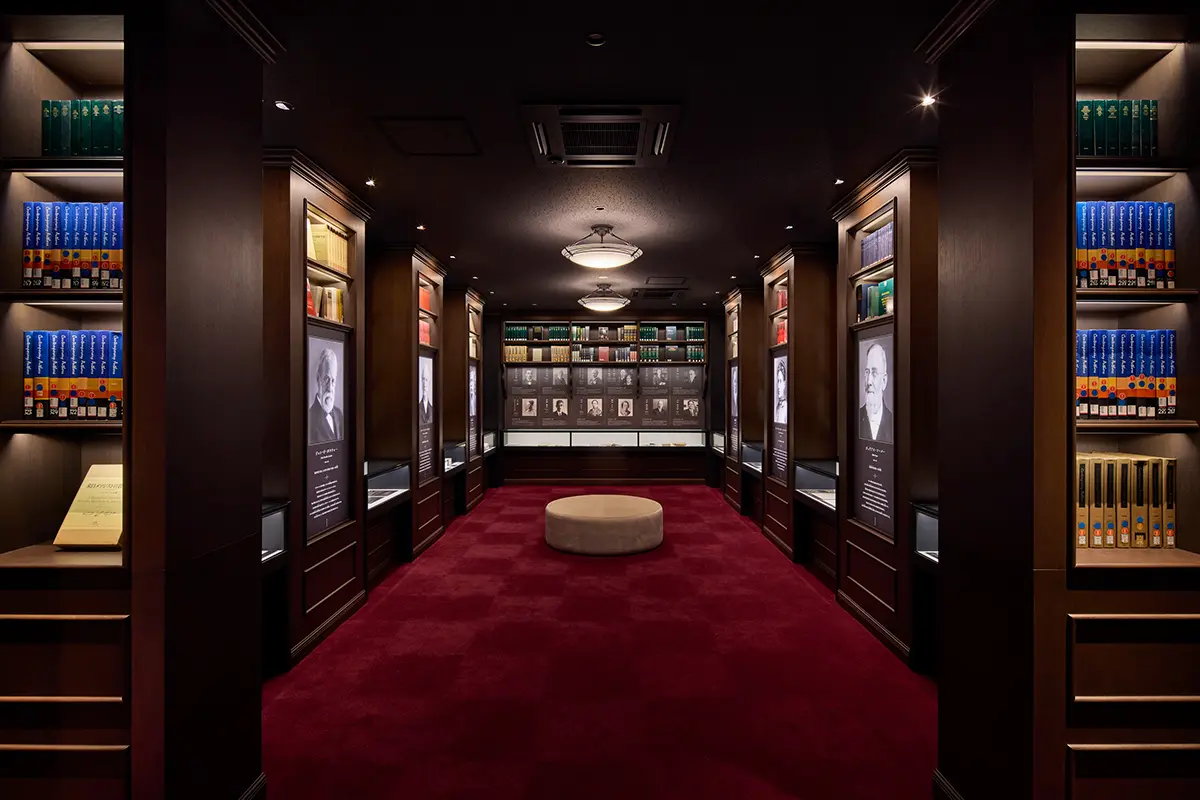
Aoyama Gakuin Museum
The thoughts of people associated with Aoyama Gakuin are woven together through light, gently enveloping and quietly guiding visitors.
- Cultural Spaces