





Site Search
- TOP
- Project Details
- List of achievements
- Chiba City Folk Museum
Chiba City Folk Museum
A new cultural hub that fosters civic pride as a symbol of the region and connects history to future generations
- Cultural Spaces
-
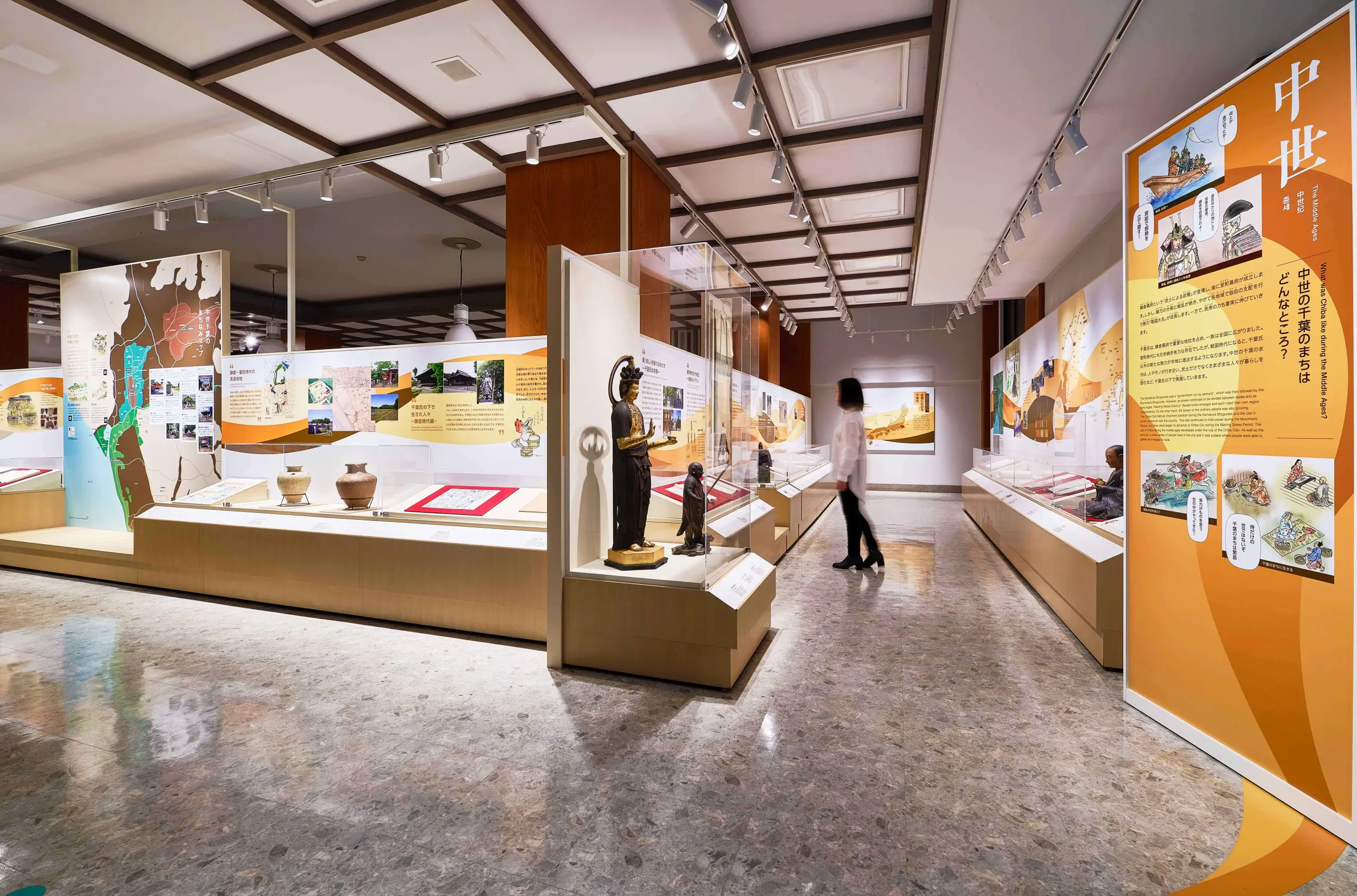
A "dynamic line" seamlessly connects from the floor to the graphics. A single line piercing through the exhibition space expresses the continuity of history.
-
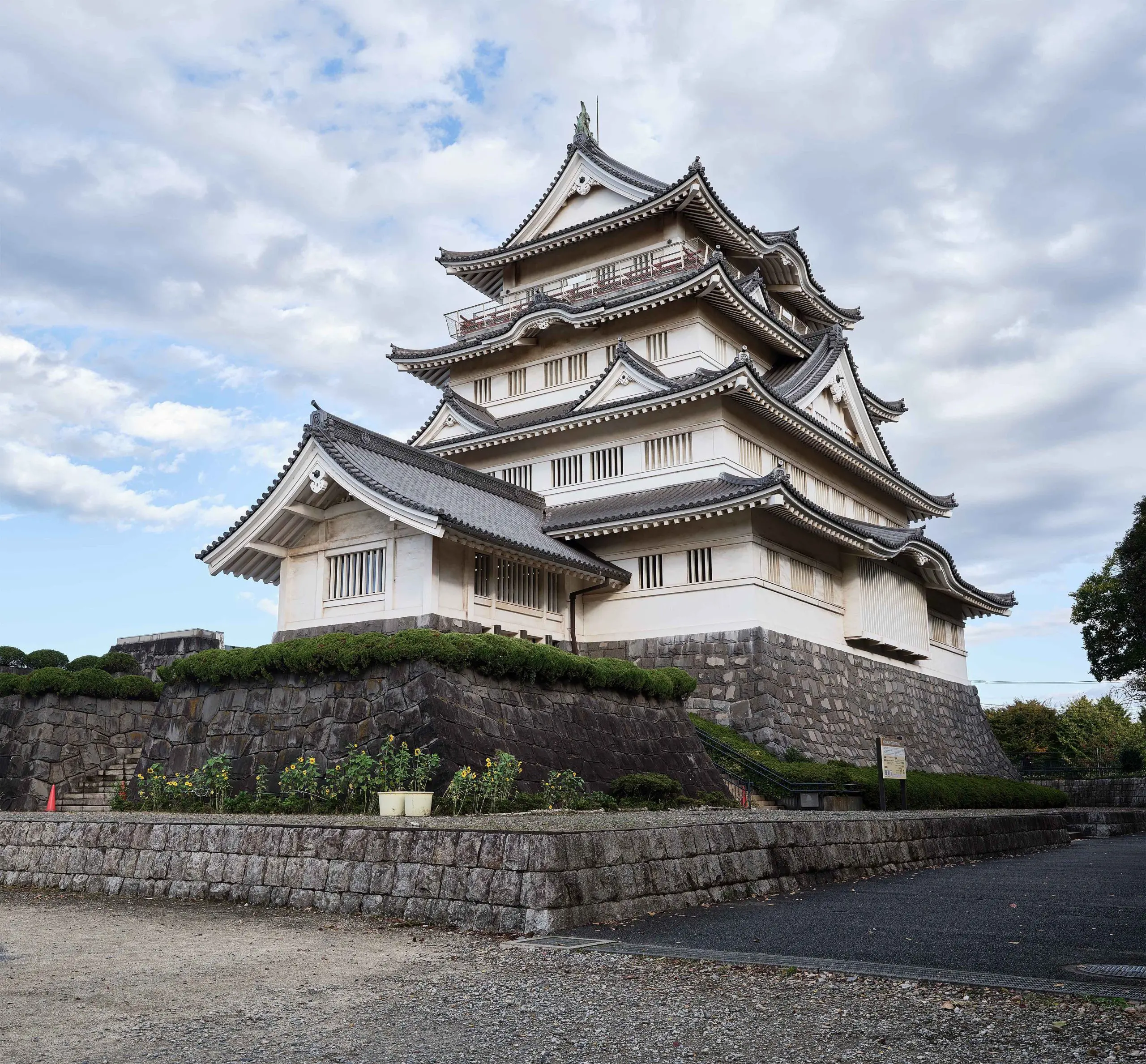
This facility, affectionately known as "Chiba Castle," opened in 1967. While retaining its iconic exterior, the interior has been completely renovated.
-
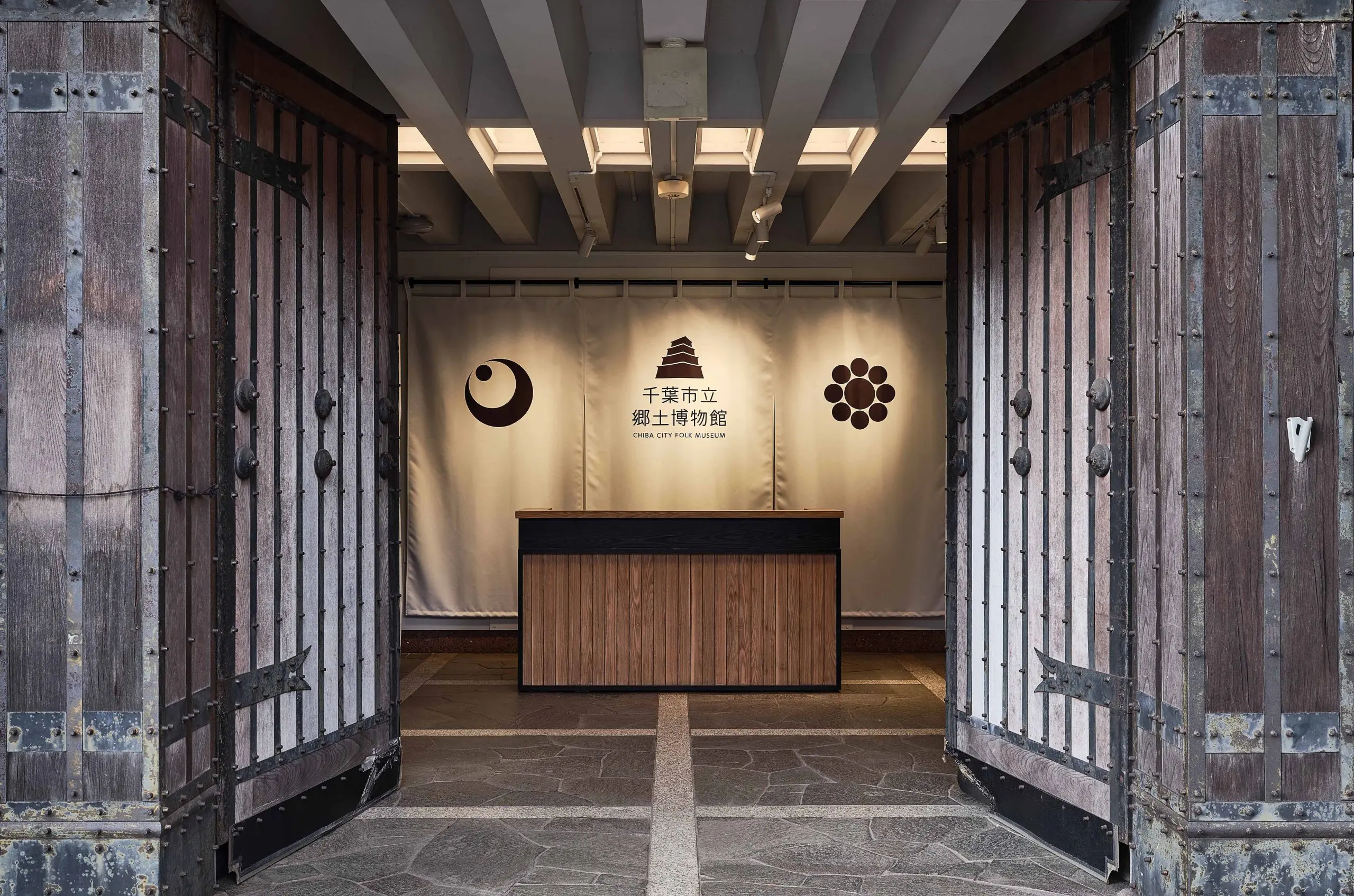
The reception area, located within the castle gate, and the newly created logo mark, signify a journey through history for visitors.
-
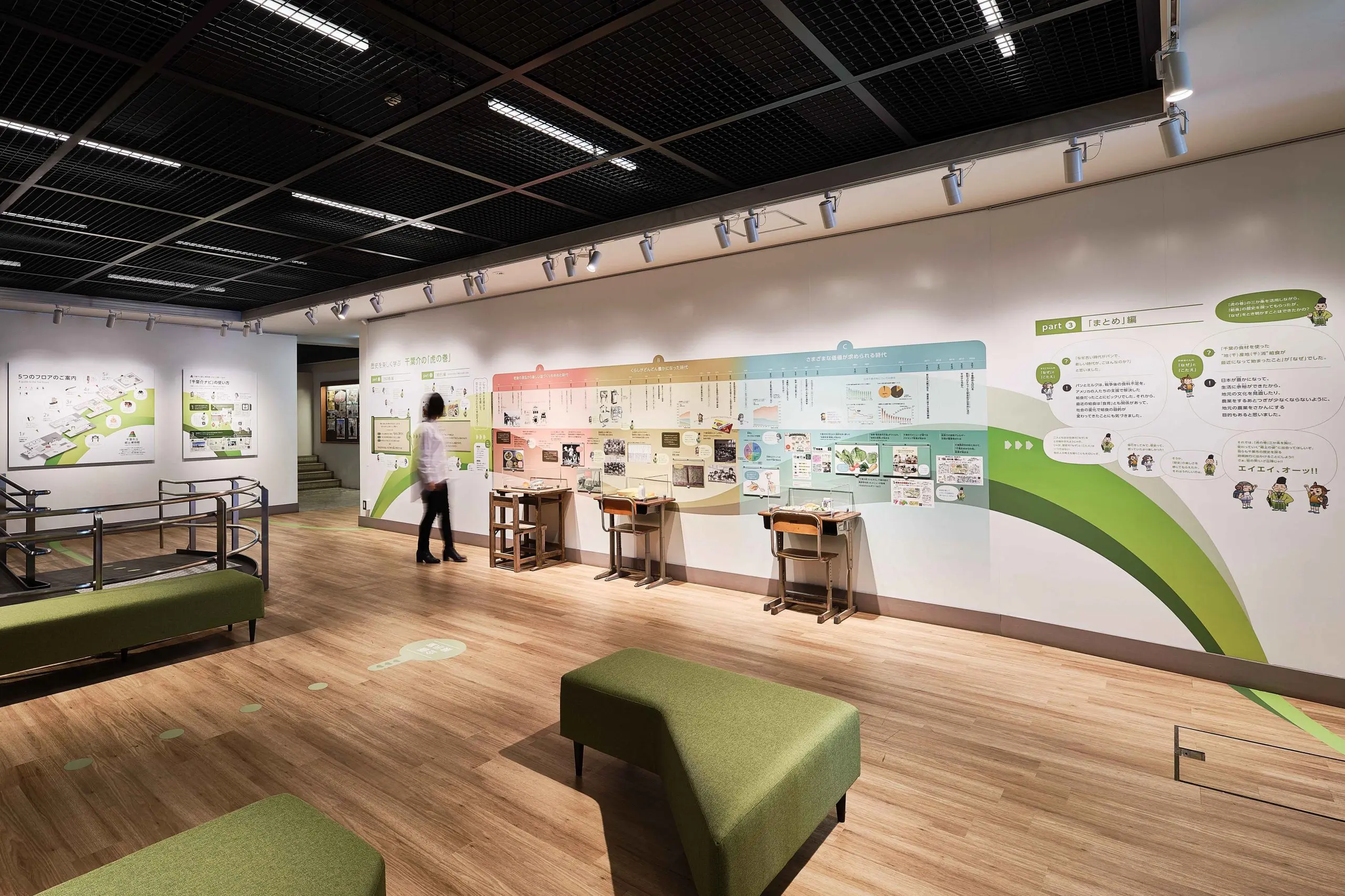
Before viewing the exhibits, there's a "guidebook" corner where you can learn how to view history in a fun way using historical materials.
-
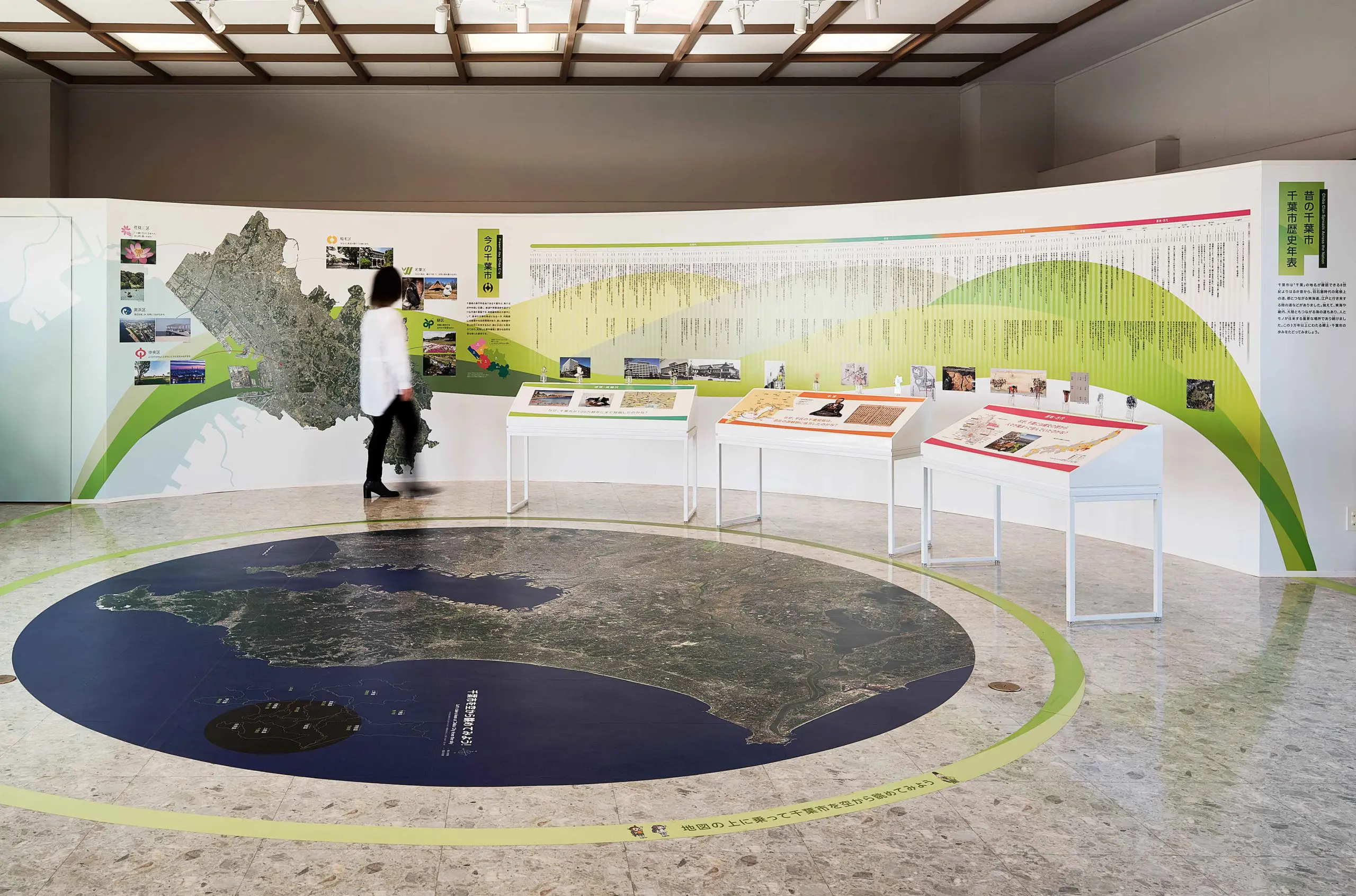
Experience Chiba's unique characteristics as a place where land and sea, people and goods, are connected, through wide-area aerial photographs. View Chiba City's past and present alongside panoramic views.
-
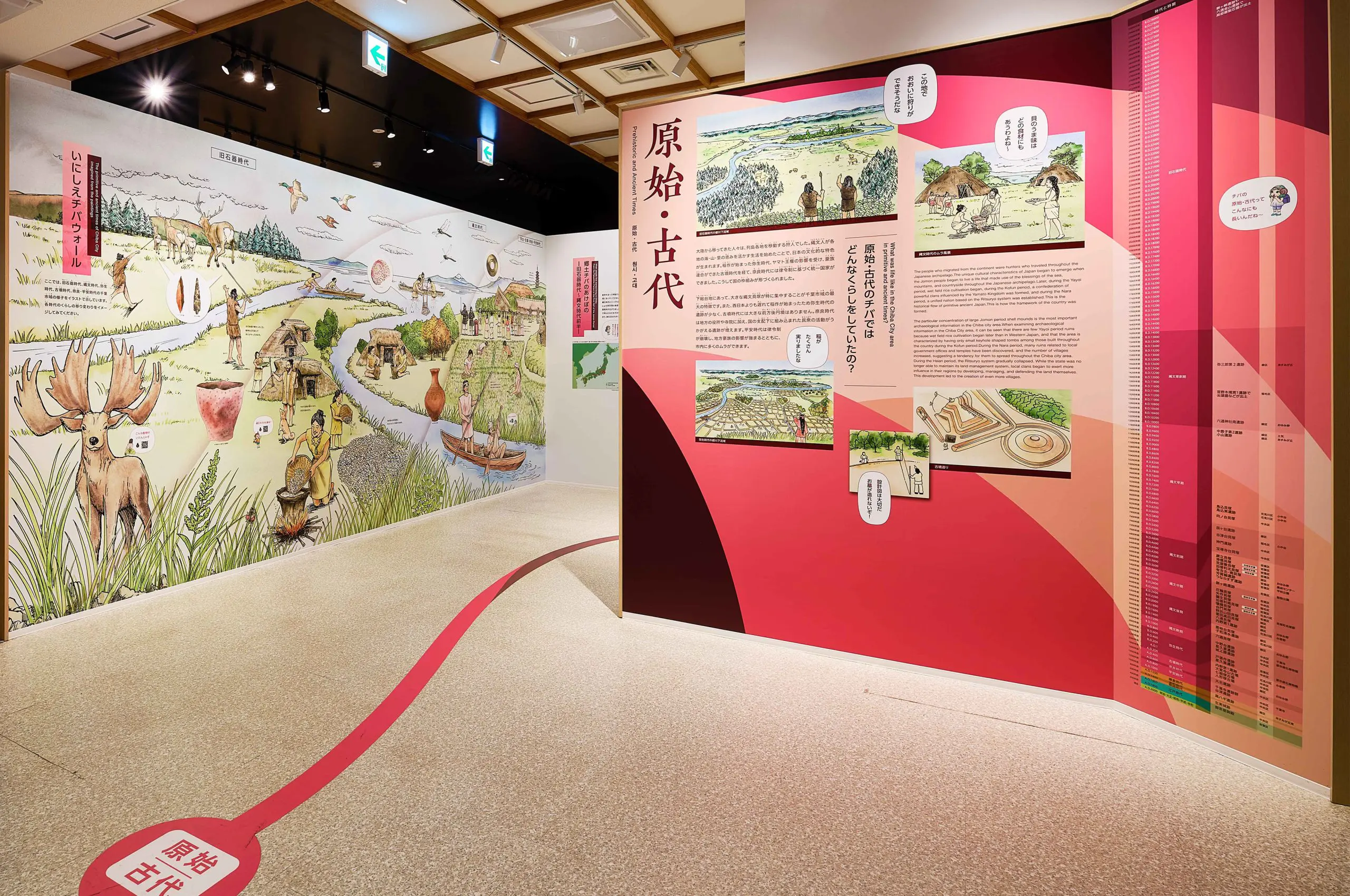
The story of "The Beginning of Chiba" is conveyed in a multi-layered way through powerful image illustrations, abundant excavated materials, and Video Production
-
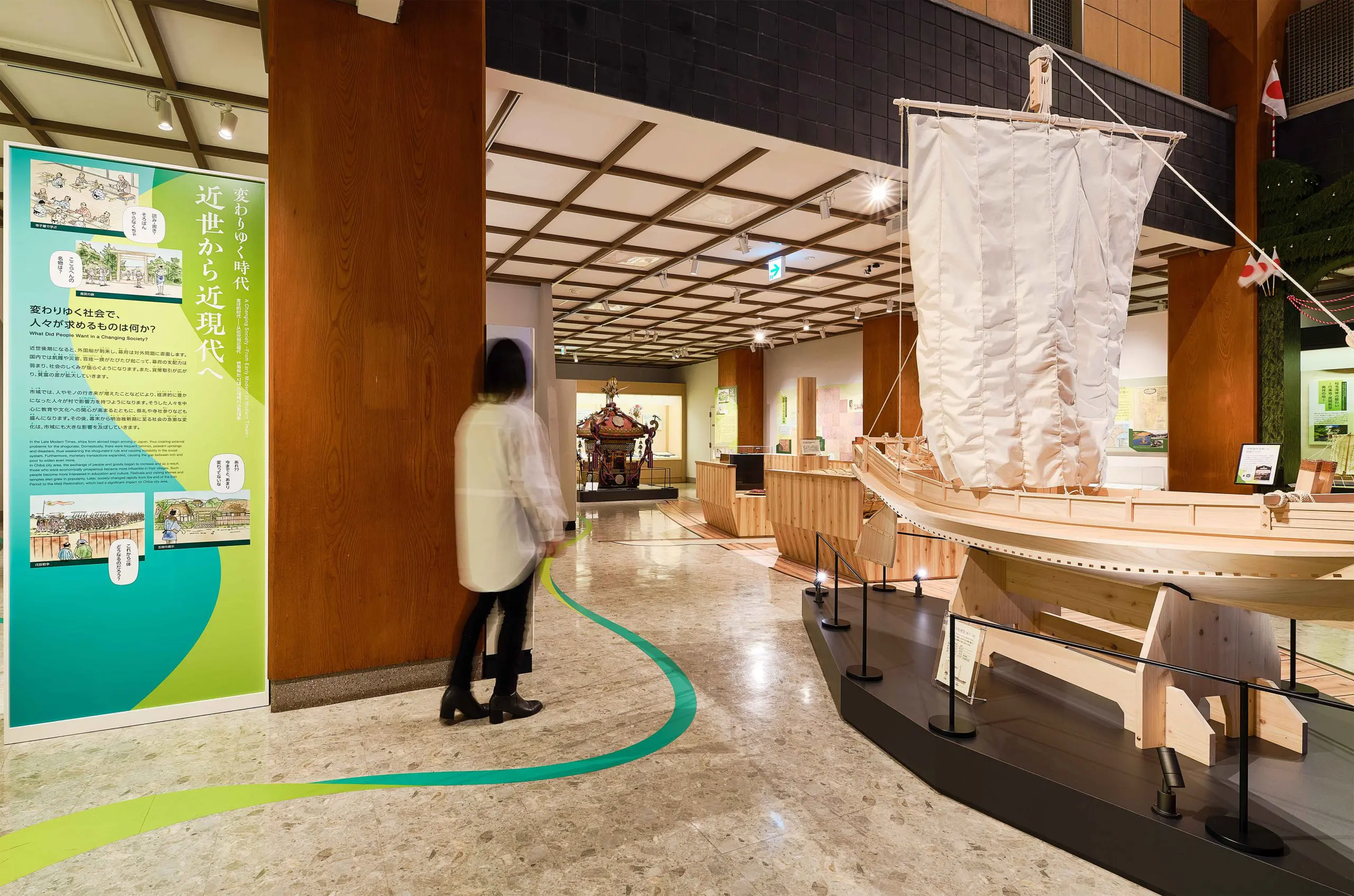
At key turning points in history, "transition panels" featuring blended colors are placed to intuitively convey the triggers for change and gradual transitions.
-
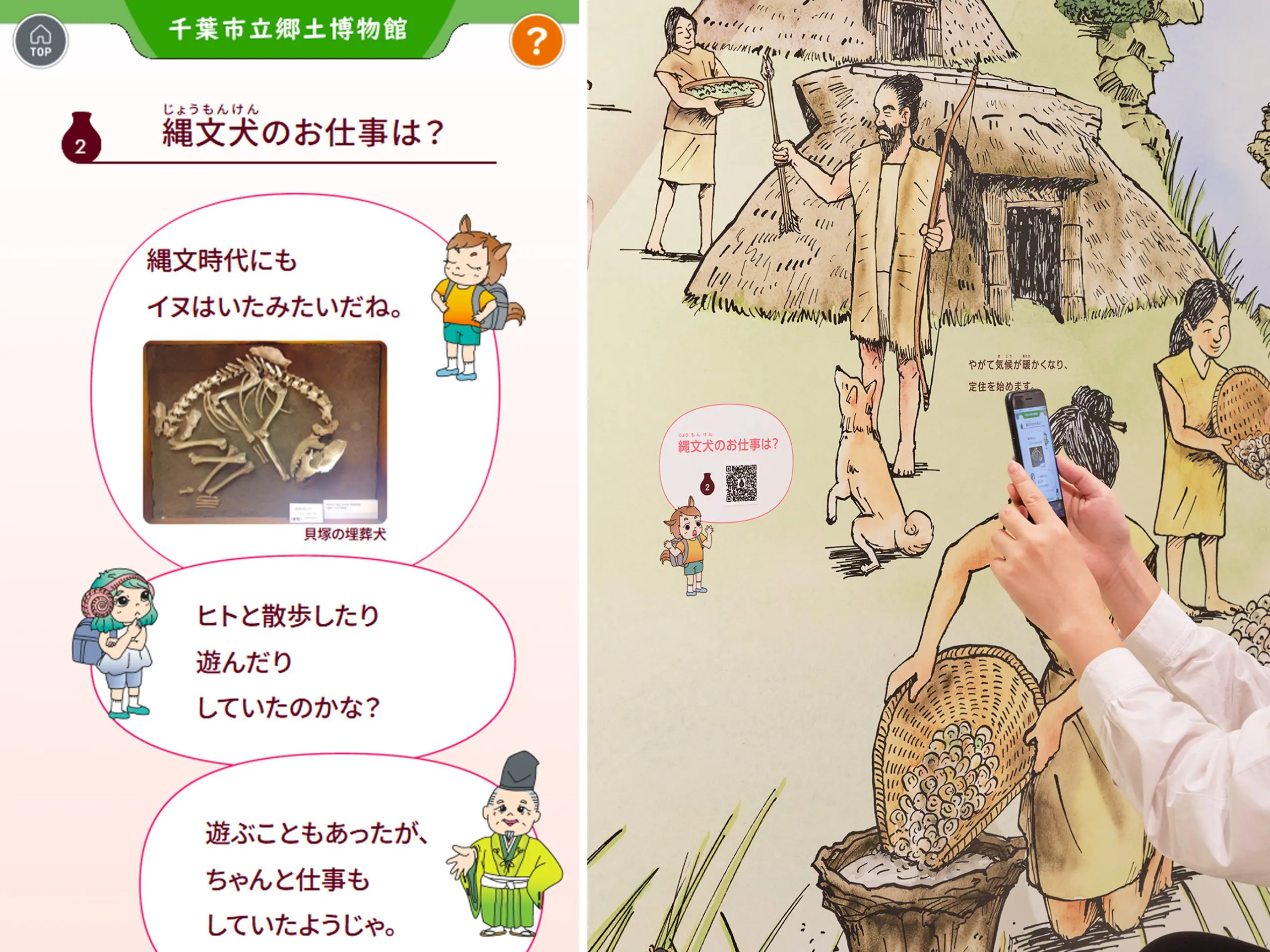
By scanning the QR codes located throughout the building, you can access "Chiba-suke Navi," where characters provide explanations, supporting a deeper learning experience.
-
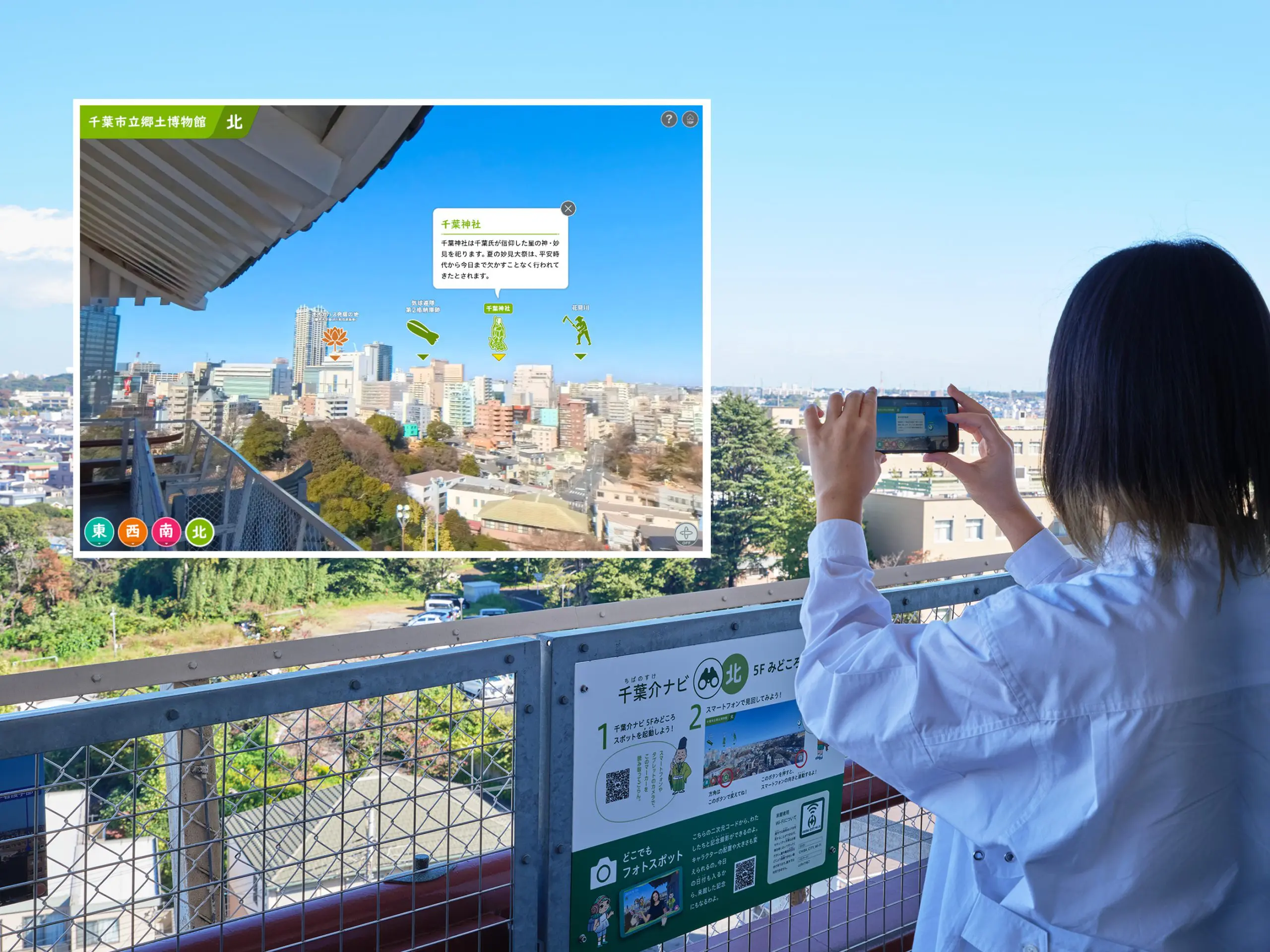
On the observation deck, the "Chiba-suke Navi" system allows you to view explanations of historical sites in Chiba City, depending on the direction of your view.
Photo by: Taira Kurihara
About the Project
| Overview | CHIBA CITY FORK MUSEUM, affectionately known to citizens as "Chiba Castle," has undergone a complete renovation across all five floors. With the exhibition theme "Chiba: Connecting Land and Sea, People and Things," the museum has been restructured into a comprehensive historical exhibition tracing Chiba's history from prehistoric and ancient times to the modern era. The museum re-examines the history of the local people, including the Chiba clan who laid the foundation of Chiba City, as the accumulation of the lives of the people who lived in this land that connected land and sea, aiming to foster citizen pride and create a new cultural hub that connects history to future generations. |
|---|---|
| Issues/Themes | The goal was to reconstruct the history of Chiba City as a single, cohesive narrative, utilizing the wealth of exhibits accumulated on each floor. This required updating the exhibition environment to allow for a more intuitive and continuous understanding of the changes that occurred throughout different eras. |
| Space Solution/Realization | A "dynamic line" runs through all five floors, visualizing the continuity of history and reconstructing it to be intuitively understandable through space. The movement from the upper floors downwards, characteristic of castle architecture, is linked to an experience of tracing the times, creating a smooth and easy-to-view structure. BIM was used in the design to comprehensively verify the relationships between fixtures, graphics, and lighting on a 3D model of the existing building. By checking how things would look even within the complex building shape in advance, a clear and immersive exhibition was realized that makes the most of the existing space. |
| Sustainable design | Universal Design: The constraints on movement imposed by the castle's structure were compensated for by the introduction of visual guidance and navigation, creating an exhibition that anyone can intuitively understand and navigate. |
Basic Information
| Client | Chiba City |
|---|---|
| Services Provided | Facility Concept Planning, Display Planning, Design, Layout Production, Construction, Video, logo, character and navigation production, Project Management |
| Project Leads at Tanseisha | Display Planning: Takashi Oba, Fumika Nakajima Design, Layout: Sanami Hayashi, Junko Ikeda, Daisuke Inoue Production, Construction: Masashi Uchiyama, Makiko Fujinoki, Kazuko Takahashi, Tansei TDC Project Management: Yusaku Sakagami |
| Location | Chiba Prefecture |
| Opening Date | November 2025 |
| Website | https://www.city.chiba.jp/kyodo/ |
| Tag |
Design, Layout
Sanami Hayashi
Primarily works on museum exhibition space design, cherishing the moment when visitors encounter the exhibits, and striving to create designs that carefully convey the charm of the local area.
Drawing on her own experience raising children, she strives to create spaces that can be enjoyed on a personal level by people of all ages, from children to adults, with careful consideration given to visibility and experiential aspects.
Main Achievements
*The shared information and details of the project is accurate as of the date they were posted. There may have been unannounced changes at a later date.
Related Achievements
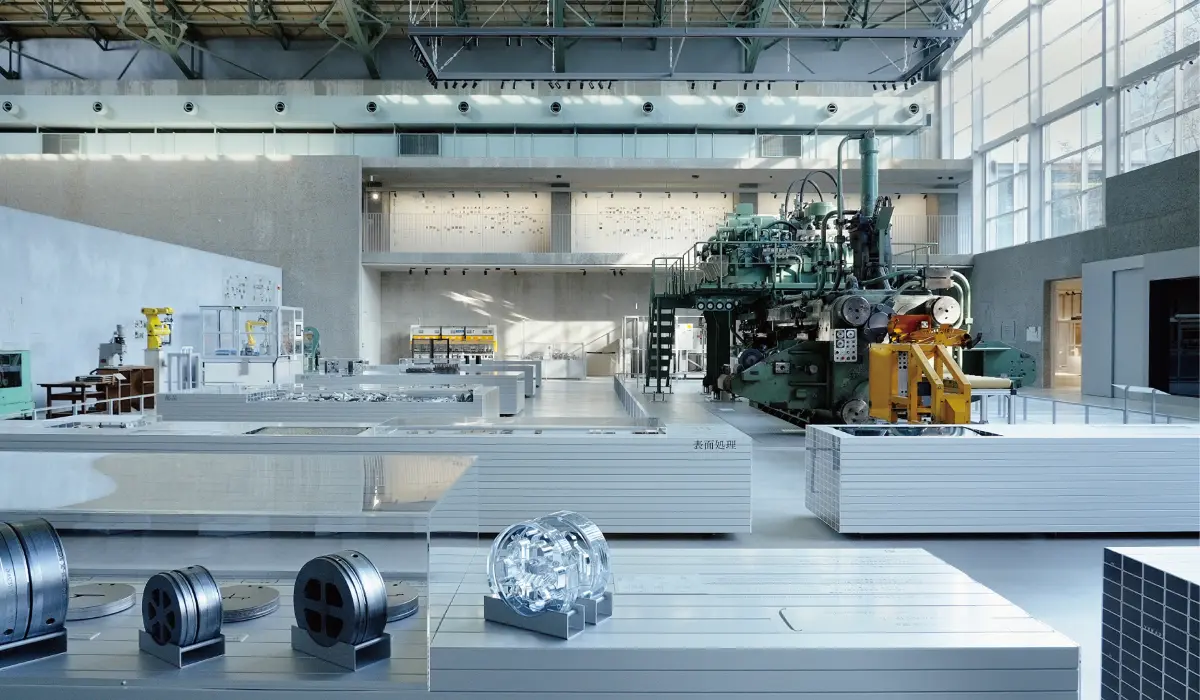
YKK AP Technology Museum
Leveraging the historical value of YKK AP's founding factory, we inherit the DNA of manufacturing.
- Cultural Spaces
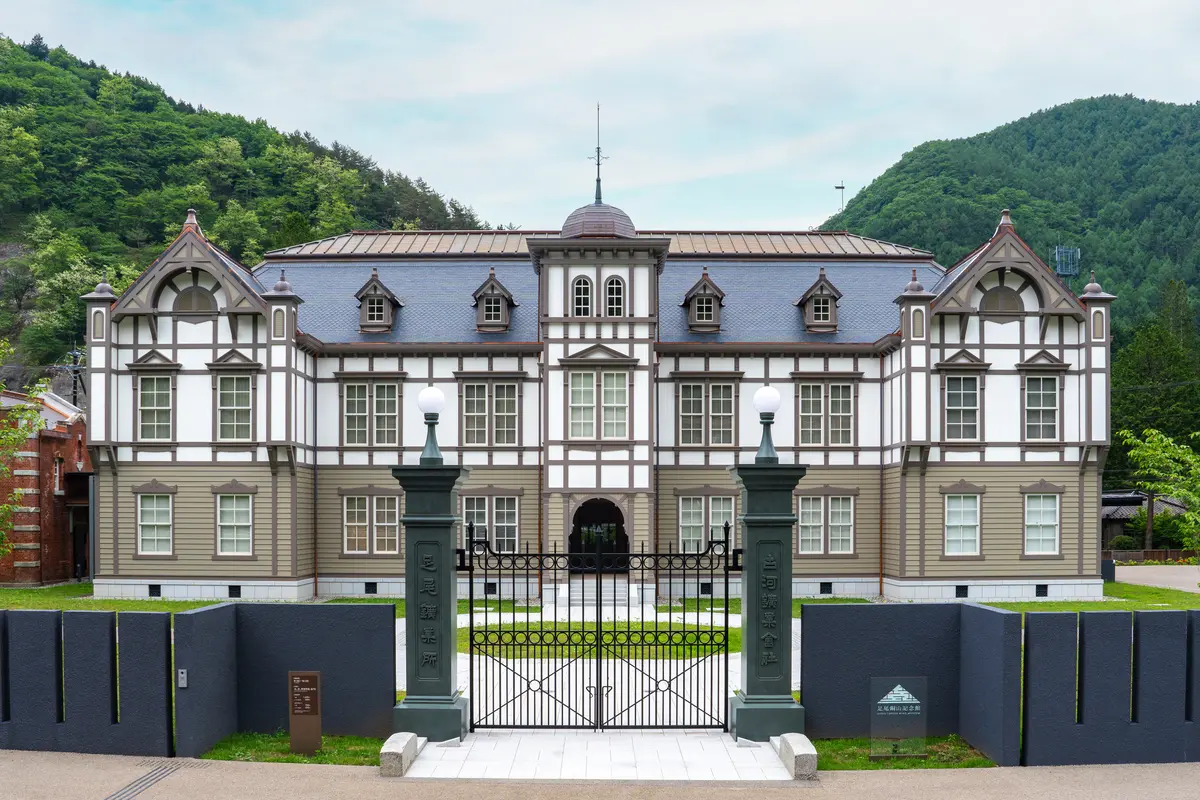
Ashio Copper Mine Memorial Museum
Passing on the "passion" that began in the mine to the next generation.
- Cultural Spaces
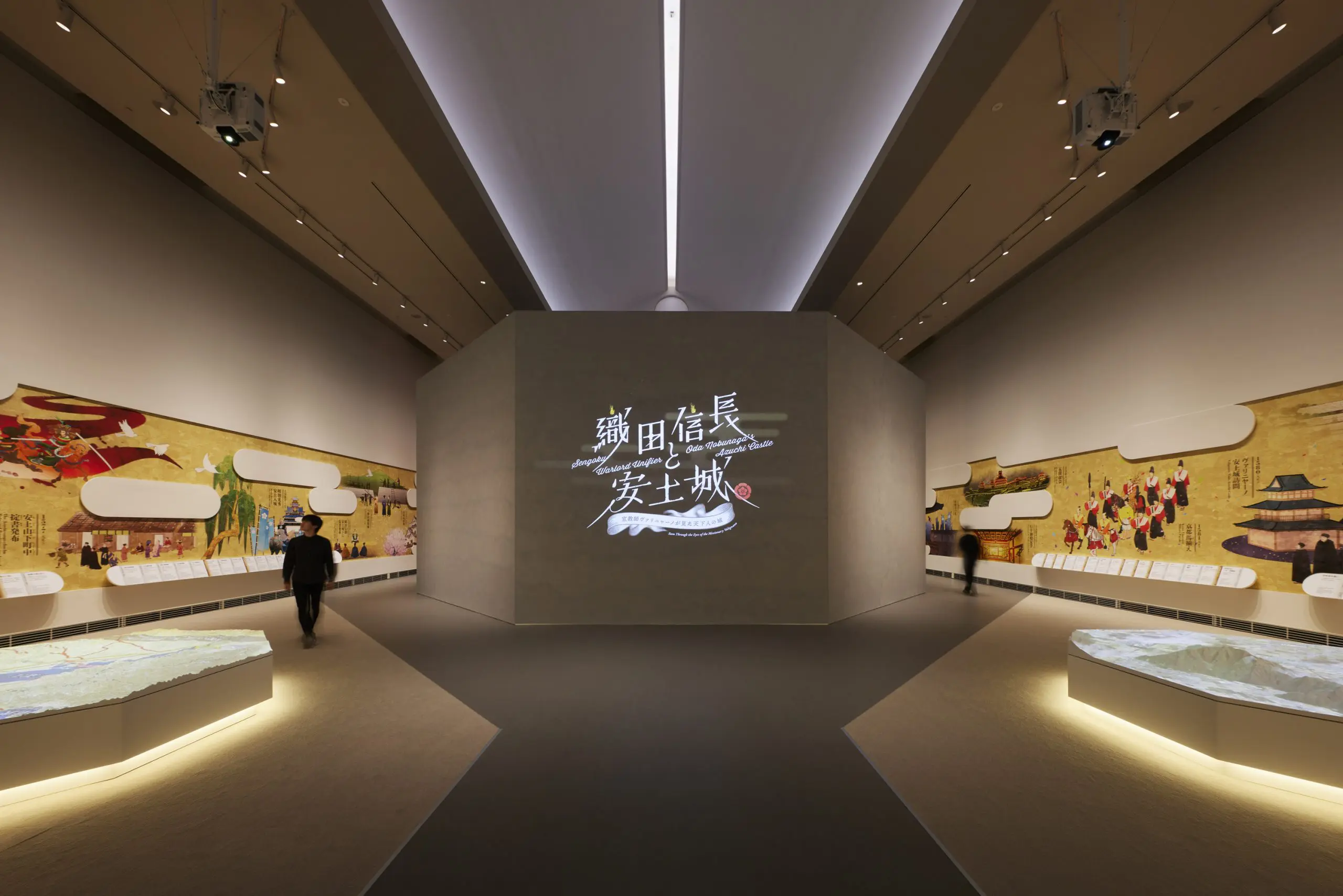
Shiga Prefectural Azuchi Castle Archaeological Museum
To become a unique hub for conveying the allure of Azuchi Castle, Nobunaga, and the Sengoku period to a wide range of generations.
- Cultural Spaces
National Museum of Nature and Science,Japan Gallery, 1st Floor South Wing"Techniques in Observing Nature"Reopen
An exhibition tracing the traces of the ingenuity and creativity of our predecessors.
- Cultural Spaces
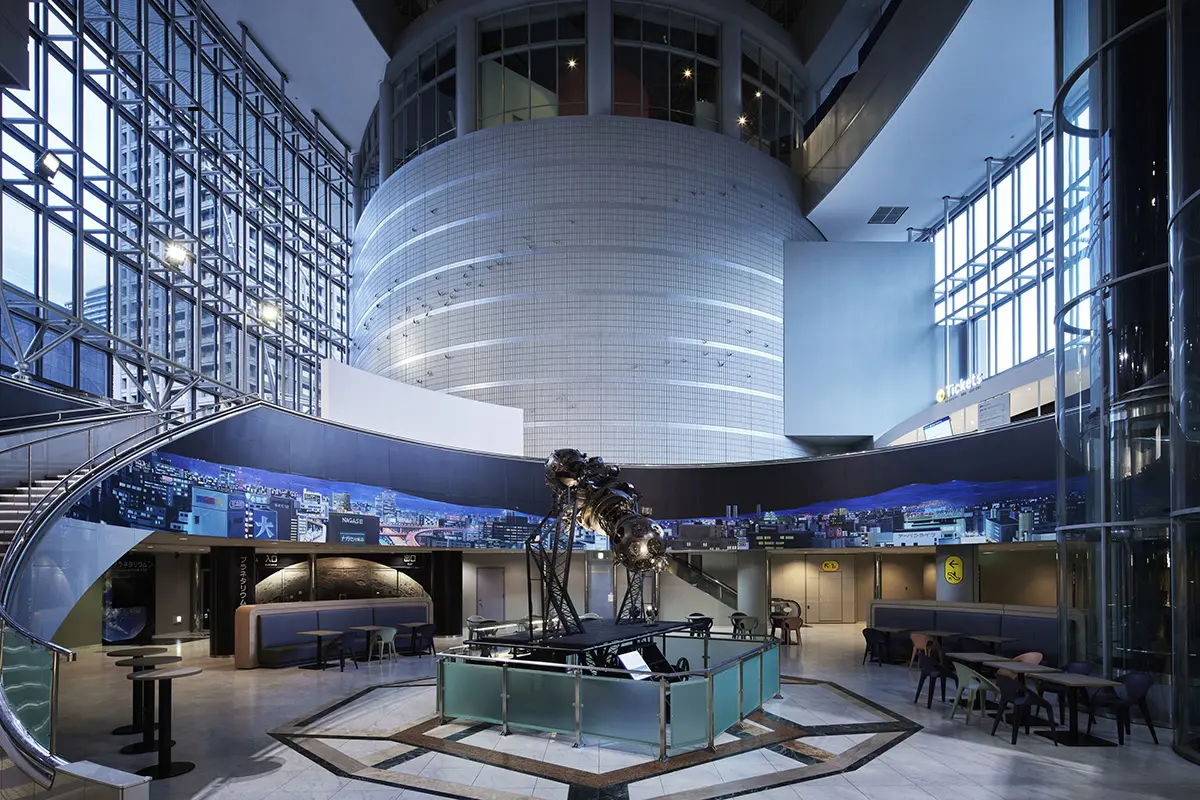
Osaka Science Museum
A unique space where everyone can enjoy science.
- Cultural Spaces
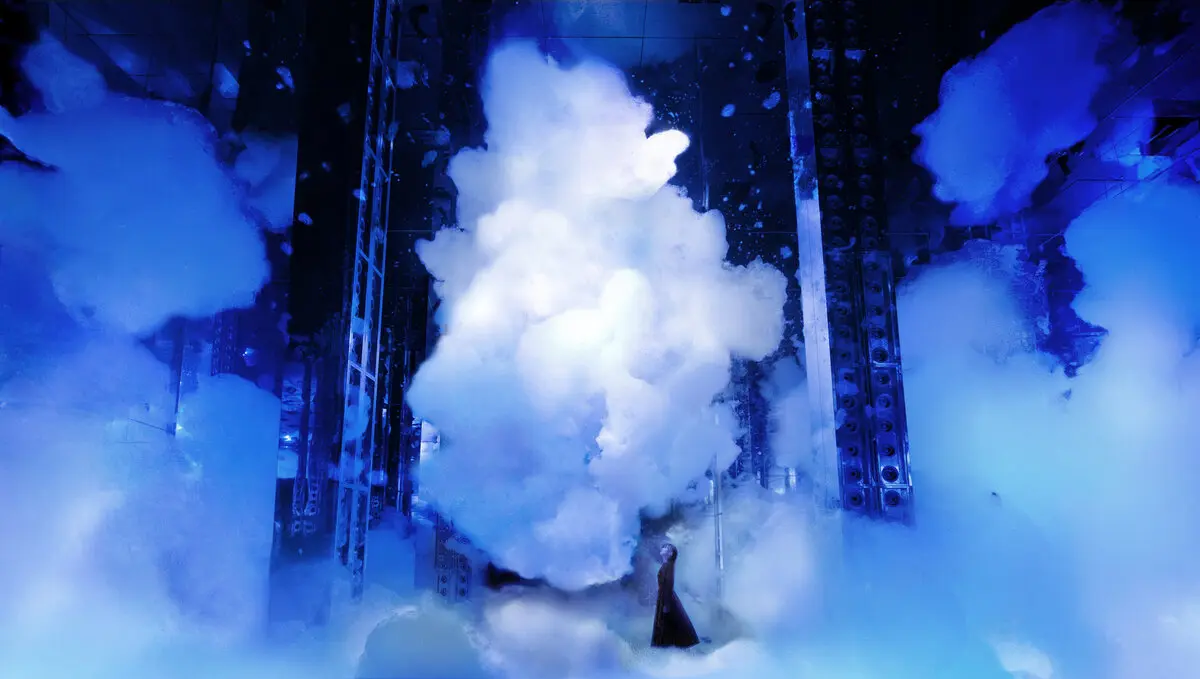
teamLab Biovortex Kyoto
An immersive art museum featuring the largest collection of teamLab artworks in Japan
- Cultural Spaces
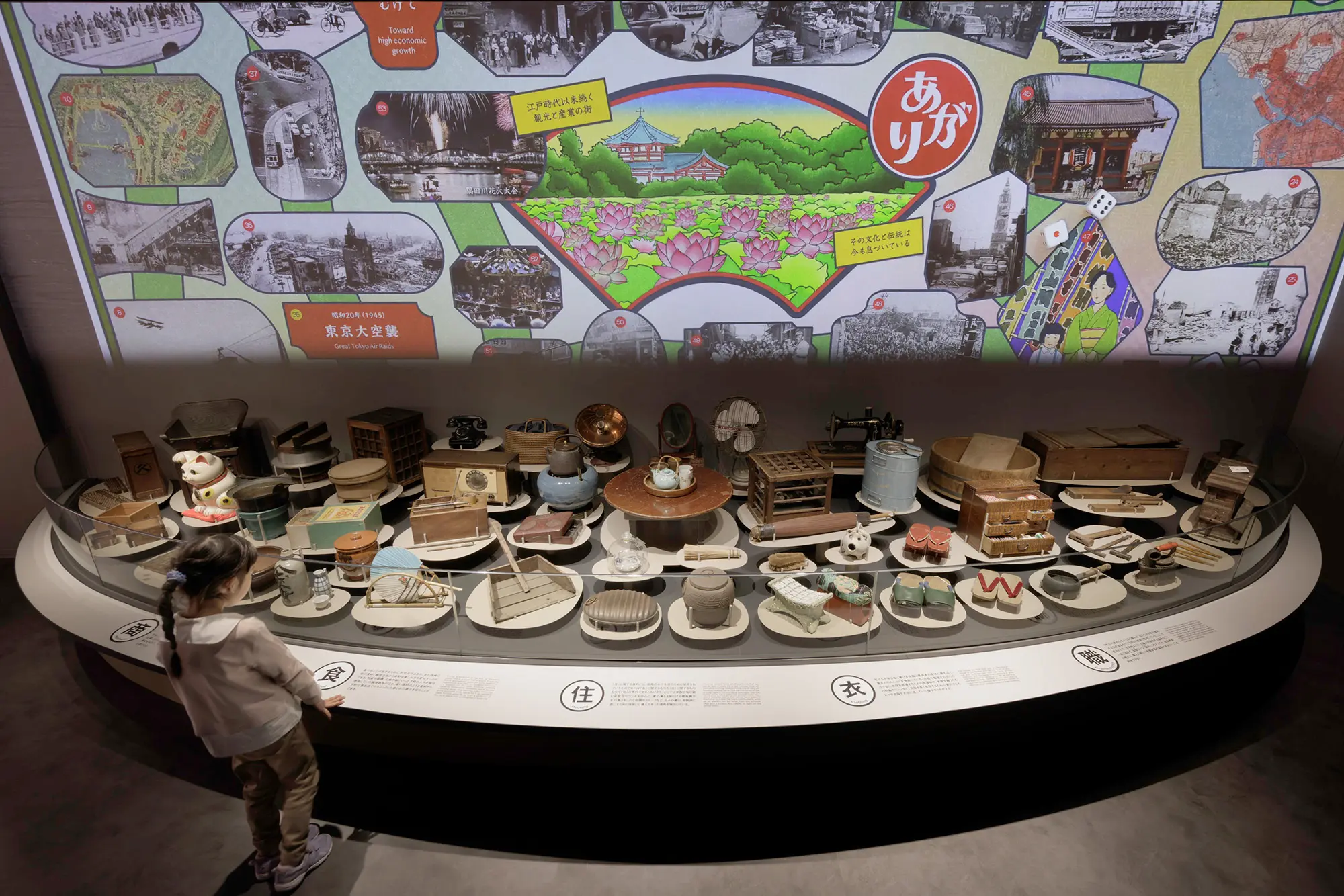
Taito City Shitamachi Museum
Set in Taito Ward, it traces the memories of the downtown area and evokes the scenery and emotions of the city in the past
- Cultural Spaces
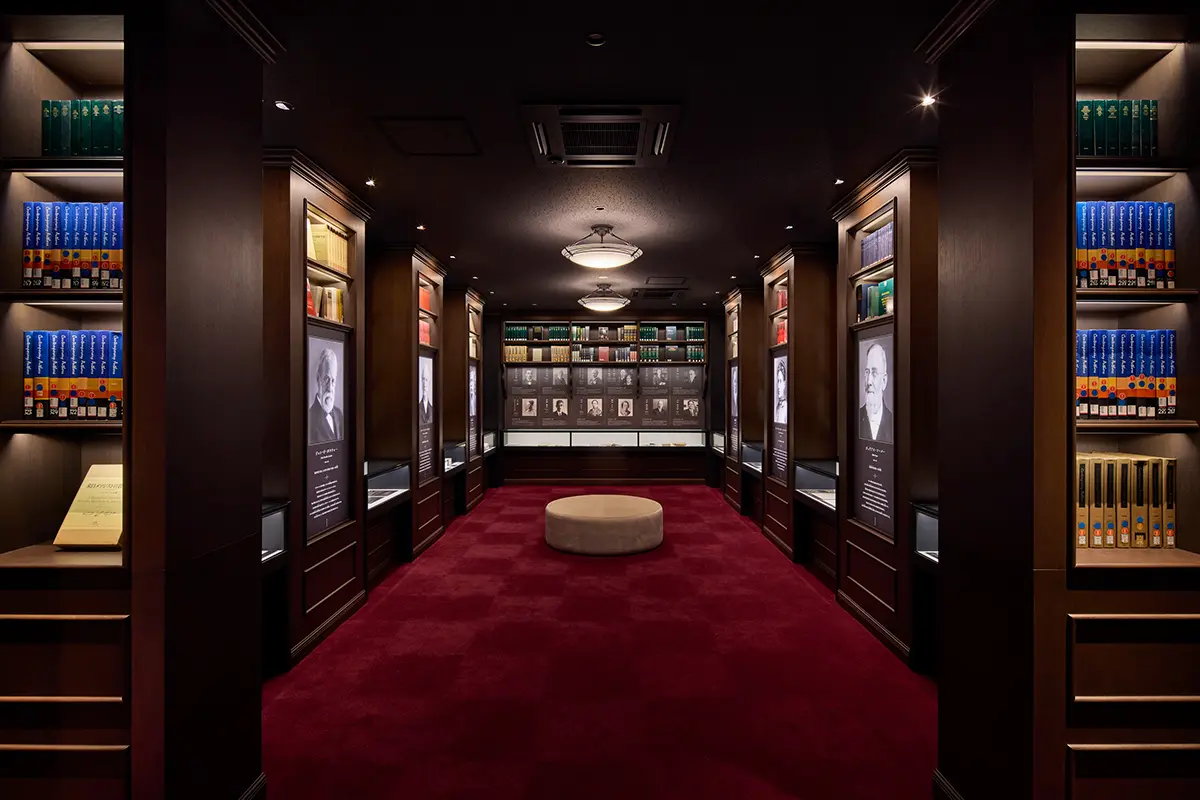
Aoyama Gakuin Museum
The thoughts of people associated with Aoyama Gakuin are woven together through light, gently enveloping and quietly guiding visitors.
- Cultural Spaces