



Site Search
- TOP
- Project Details
- List of achievements
- Kitakyushu City Museum of Natural History and History Journey of Life Museum
Kitakyushu City Museum of Natural History and History Journey of Life Museum
A comprehensive museum showcasing the evolution of life and human history
- Cultural Spaces
The Kitakyushu City Museum of Natural History and History, Journey of Life Museum, is a museum that exhibits the evolution of life and human history, based on the concept of being a "coexistence museum that considers the relationship between nature and humans." Tanseisha was in charge of Display Planning, Design, Layout, Production, Construction when the museum opened in 2002 and when it was renovated in 2013. In addition to this, we also assist with regular maintenance and Design, Layout of special exhibitions, as well as research into the future transformation of the museum into a universal museum. We would like to introduce some of the projects where we have worked with our clients as an ongoing partner to develop large-scale museums.
-
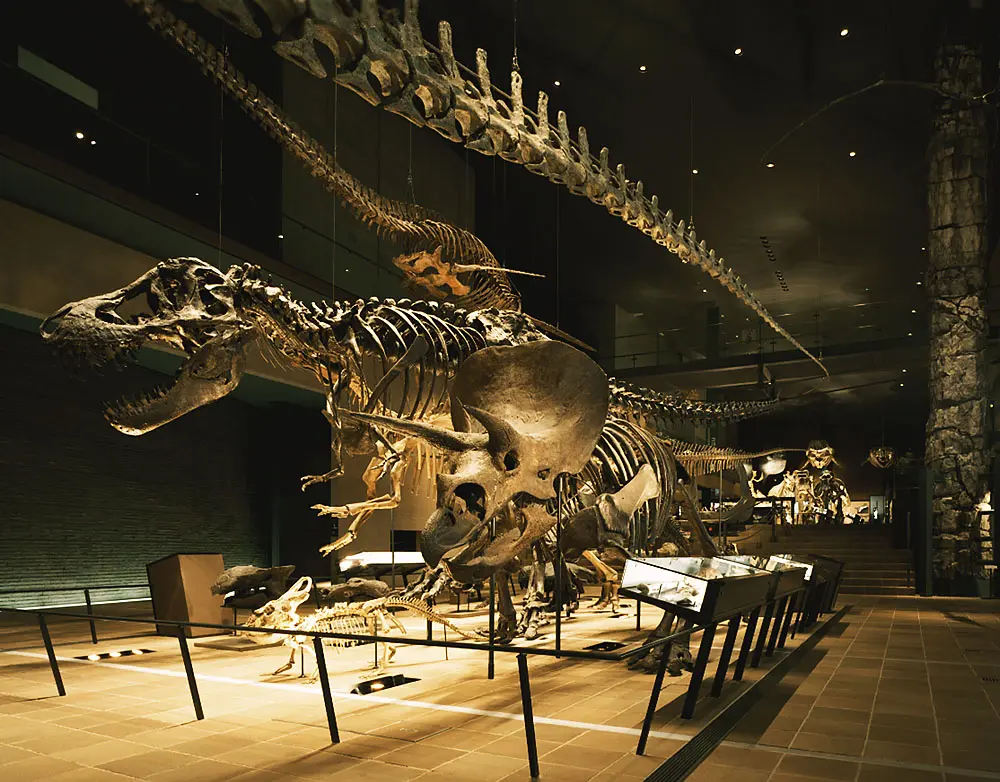
A project that has continuously supported the creation of large-scale museums
-
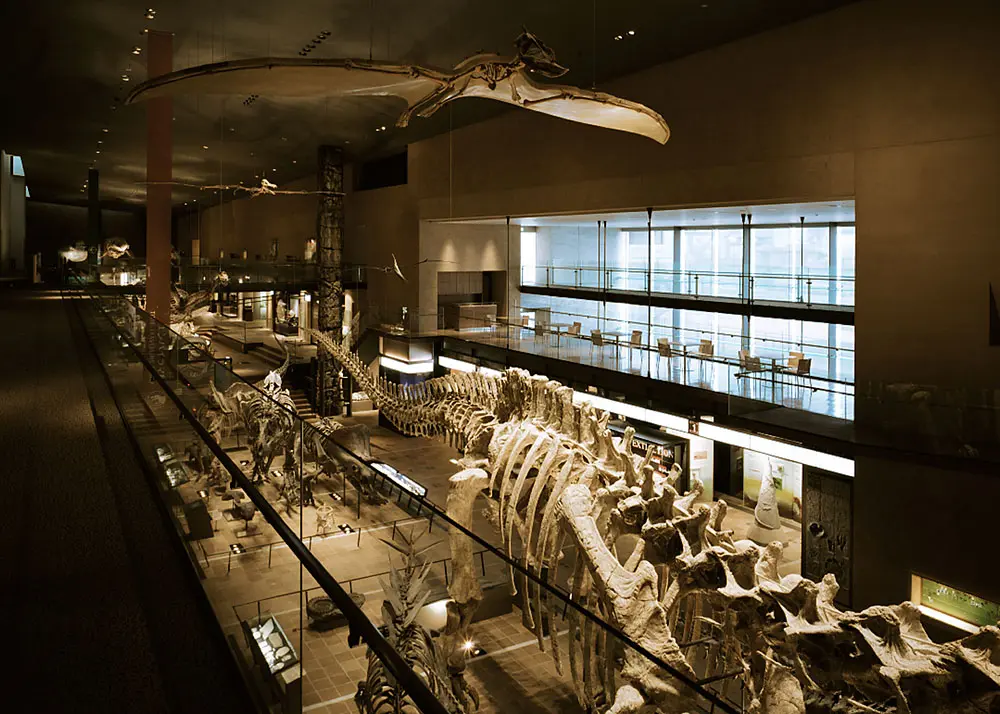
A view from above of Earth Mall, which displays the evolution of life from the birth of the Earth to the Cenozoic era.
-
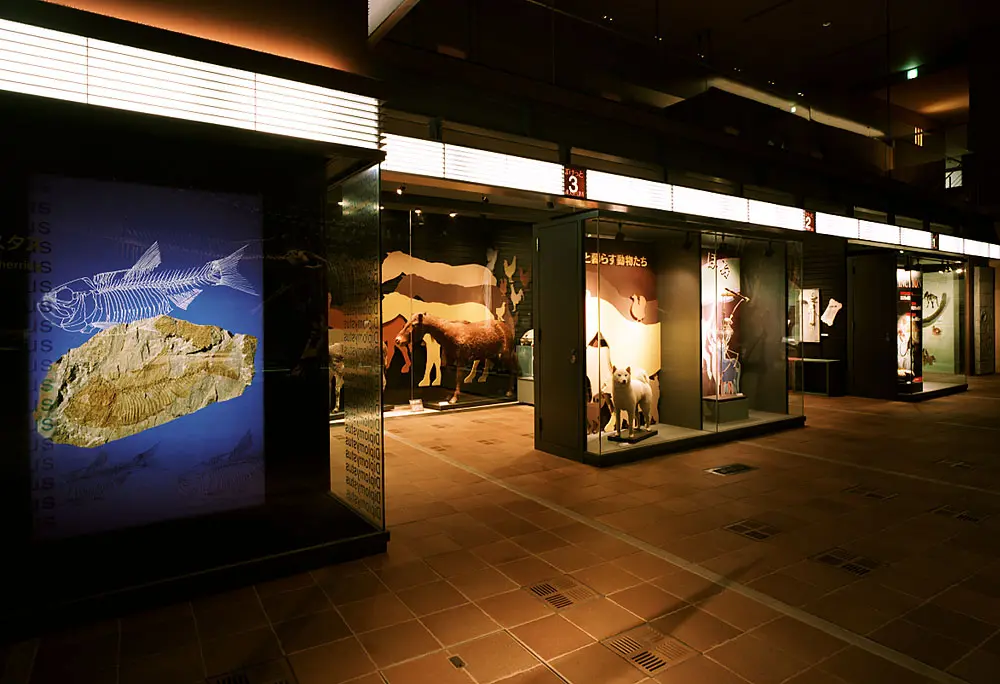
"Pocket Museum." A small exhibition room carefully designed by the curator is located facing "Earth Mall."
-
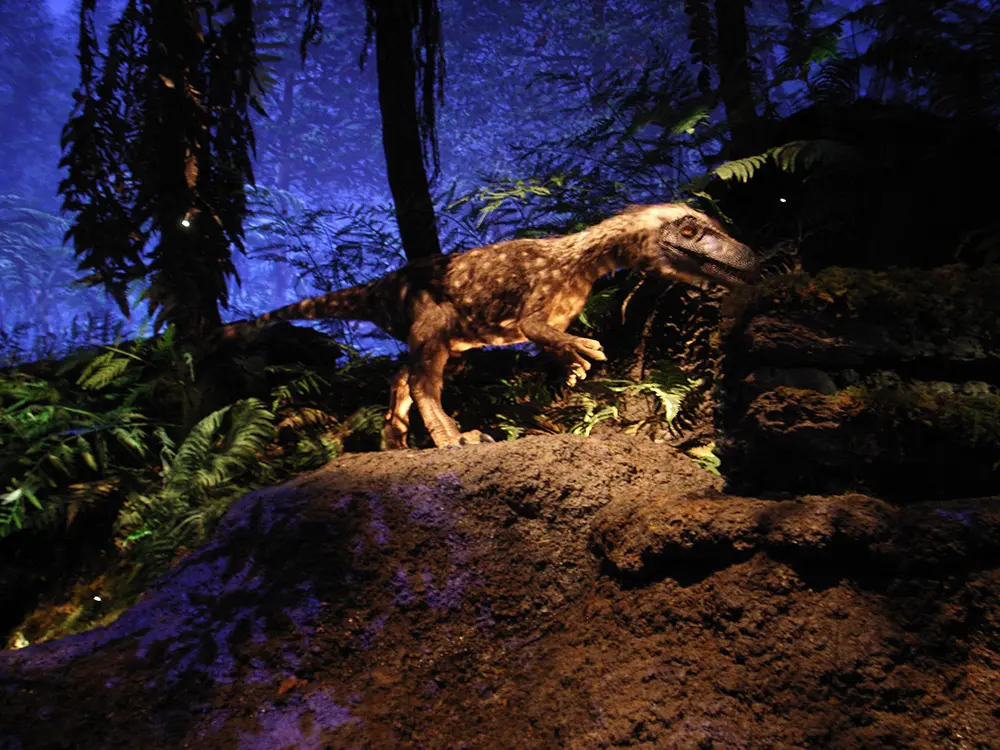
The Envirama Pavilion after renovation. Feathered dinosaurs based on the latest academic theories and interactive Spatial Production have been added, creating new appeal.
-
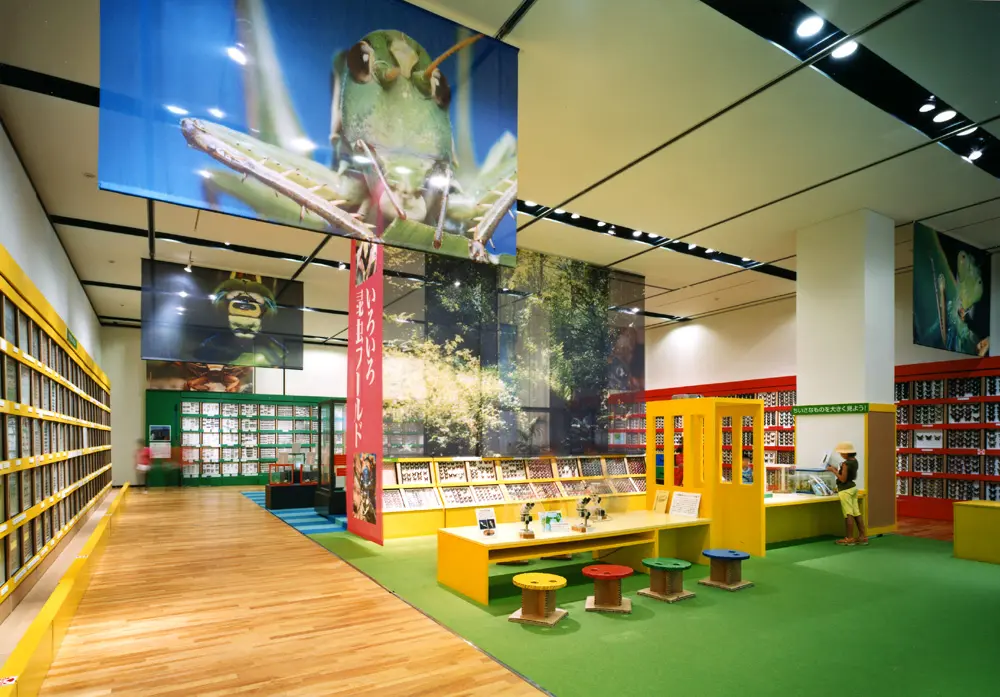
The special summer exhibition "Discover! Insect Kingdom" was held in 2003. The total number of visitors during the exhibition period was about 80,000, which was three times the initial expectation, and it was a great success.
-
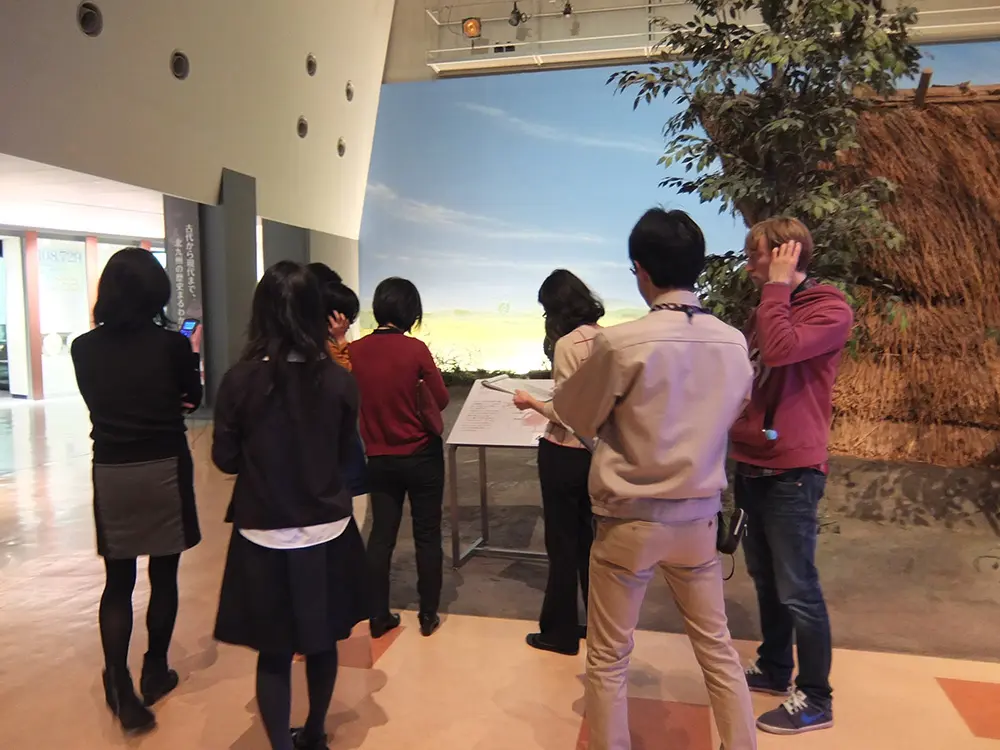
A hearing regarding audio guides was held at a workshop aimed at creating a universal museum.
-
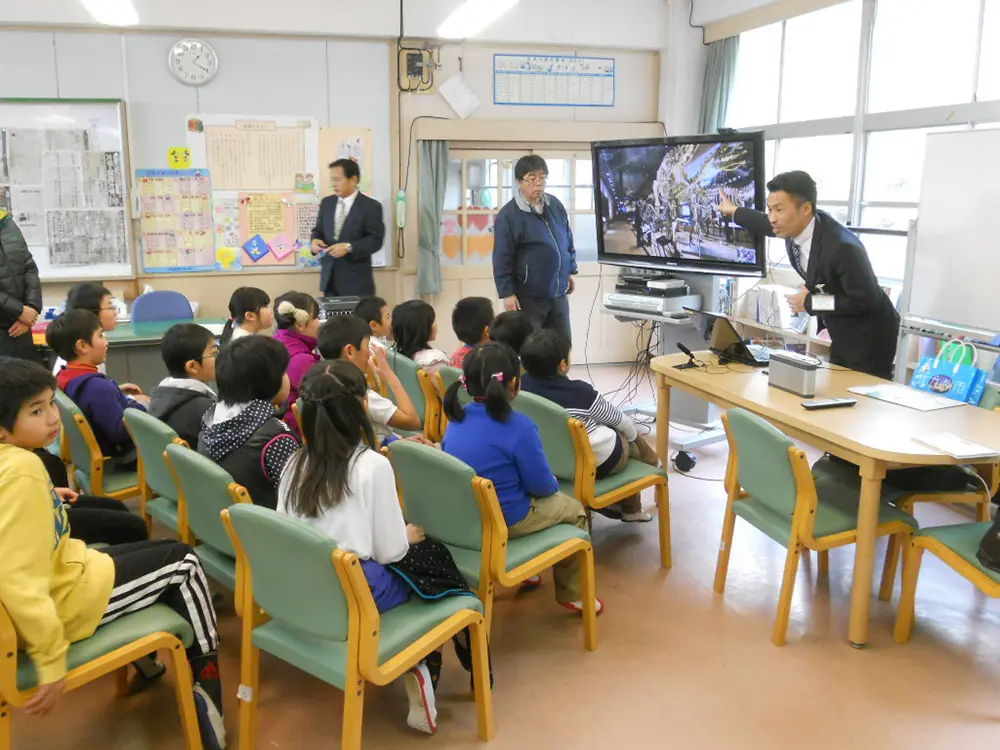
A remote learning experiment in progress. Children at school are listening to a lesson from a museum exhibition room via a monitor.
Photography: Forward Stroke inc., Masanori Terasawa and others
Basic Information
| Client | Kitakyushu City |
|---|---|
| Services Provided | Display Planning, Design, Layout, Production, Construction, maintenance management Display Planning, Design, Layout, Production, Construction related to renovation Support for the Universal Museum Initiative |
| Project Leads at Tanseisha | Direction: Takahashi Hisaya Design, Layout: Hirofumi Doi, Tsuyoshi Kato Production, Construction: Koji Sakata Universal Museum Concept: Tansei Institute |
| Awards | 「ディスプレイデザイン賞2003」入選 |
| Location | 2-4-1 Higashida, Yahata Higashi Ward, Kitakyushu City, Fukuoka Prefecture |
| Opening Date | 2002 (renovated in 2013) |
| Website | http://www.kmnh.jp/ |
| Tag |
Facility design aimed at creating a sense of flow and ease of movement among visitors.
Kitakyushu City had a plan to integrate its three previously separate museums—Natural History, History, and Archaeology—and construct a large-scale new museum spanning 17,000 square meters. We proposed a plan for a "museum complex" that would combine facilities with various features, like a shopping mall, rather than the conventional single-direction layout, allowing visitors to freely experience different aspects of the museum according to their interests and length of stay. This proposal was well-received, and the project was launched.
When the museum opened in 2002, it featured a natural history zone and a history zone as its core exhibits, and introduced two main streets, each about 100 meters long, named the "Earth Mall" and the "Culture Mall." Furthermore, all facilities, including unique exhibition rooms of varying sizes and styles, a library, and rest areas, were positioned facing these malls. The design was carefully crafted to allow visitors to explore the museum in any order they liked, as if strolling through a shopping mall, according to their interests.
A view from above of Earth Mall, which displays the evolution of life from the birth of the Earth to the Cenozoic era.
"Pocket Museum." A small exhibition room carefully designed by the curator is located facing "Earth Mall."
Museum evolution plan through renovation
Even after the facility opened, our company continued to support its revitalization by providing regular maintenance and partially handling Design, Layout of special exhibitions. Then, for the 2013 renovation, we established a working group and conducted interviews with curators, and after nearly five years of careful consideration, we formulated a "plan for the evolution" of the museum together with our clients. Our company assisted with refreshing and expanding exhibits, introducing new Spatial Production such as Video, expanding exhibition spaces, and converting Spatial Production lighting to LED.
One example of the renovations is the symbolic addition of a full-body skeleton replica of the world's most famous dinosaur, "Tyrannosaurus Rex known as Sue," at the entrance to the "Earth Mall" in the Natural History Zone, along with a giant Video Production. Visitor behavior surveys and questionnaires were conducted for this Video Production, and the results were reflected in its installation and other aspects. Furthermore, the popular "Envirama Hall," a 360-degree immersive diorama, was updated in a timely manner based on the latest scientific theories, and feathered dinosaurs were newly added. As a result, the annual number of visitors in fiscal year 2013 reached 620,000, significantly exceeding the previous average of 360,000 visitors.
The Envirama Pavilion after renovation. Feathered dinosaurs based on the latest academic theories and interactive Spatial Production have been added, creating new appeal.
The special summer exhibition "Discover! Insect Kingdom" was held in 2003. The total number of visitors during the exhibition period was about 80,000, which was three times the initial expectation, and it was a great success.
Ongoing support for the transformation into a universal museum
Following these advancements, a new project to transform the museum into a universal museum was launched in 2014. Our company supported this project, leveraging our previous efforts in universal design. We conducted workshops with people with disabilities and those whose native language is not Japanese to examine the ideal form of exhibit explanations, signage, audio guides, and information terminals, and identified challenges. We also supported the verification of the usefulness and effectiveness of remote learning, which connected the museum's exhibition rooms with school classrooms, through experimental implementation and surveys.
In the future, in addition to its role as a social education facility for citizens, the museum is expected to see an increase in Tourism from overseas, given the movement towards making Japan a Tourism oriented nation. While cherishing the perspectives gained from working together as partners for many years, we intend to continue contributing to enhancing the value of the facility by making new proposals that respond to these societal trends.
A hearing regarding audio guides was held at a workshop aimed at creating a universal museum.
A remote learning experiment in progress. Children at school are listening to a lesson from a museum exhibition room via a monitor.
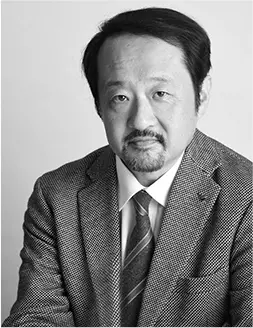
Direction
Hisaya Takahashi
The themes and messages that museums offer are universal, but their services continue to diversify in line with the changing times. This project has supported the creation and revitalization of spaces over the long term, and we are once again aware of this fact as we take on the challenge of upgrading our exhibits.
Main Achievements
*The shared information and details of the project is accurate as of the date they were posted. There may have been unannounced changes at a later date.
Related Achievements
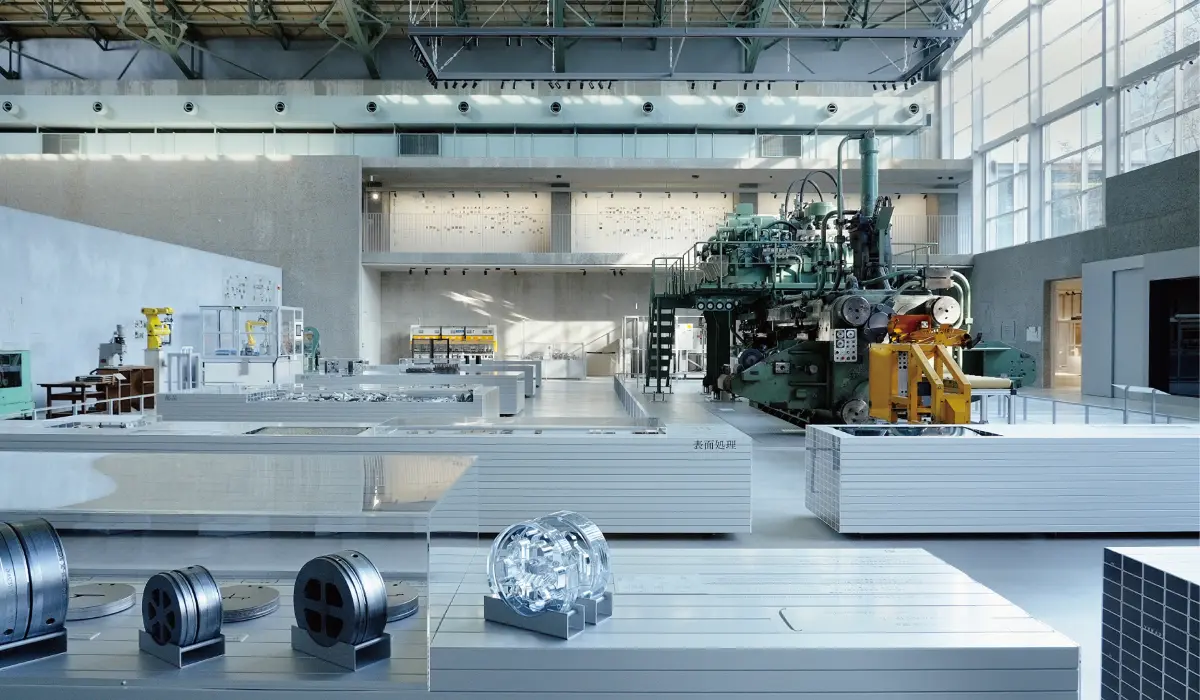
YKK AP Technology Museum
Leveraging the historical value of YKK AP's founding factory, we inherit the DNA of manufacturing.
- Cultural Spaces
Ashio Copper Mine Memorial Museum
Passing on the "passion" that began in the mine to the next generation.
- Cultural Spaces
Shiga Prefectural Azuchi Castle Archaeological Museum
To become a unique hub for conveying the allure of Azuchi Castle, Nobunaga, and the Sengoku period to a wide range of generations.
- Cultural Spaces
National Museum of Nature and Science,Japan Gallery, 1st Floor South Wing"Techniques in Observing Nature"Reopen
An exhibition tracing the traces of the ingenuity and creativity of our predecessors.
- Cultural Spaces
Chiba City Folk Museum
A new cultural hub that fosters civic pride as a symbol of the region and connects history to future generations
- Cultural Spaces
Osaka Science Museum
A unique space where everyone can enjoy science.
- Cultural Spaces
teamLab Biovortex Kyoto
An immersive art museum featuring the largest collection of teamLab artworks in Japan
- Cultural Spaces
Taito City Shitamachi Museum
Set in Taito Ward, it traces the memories of the downtown area and evokes the scenery and emotions of the city in the past
- Cultural Spaces

Design, Layout
Hirofumi Doi
He designs exhibition spaces for archives, museums, etc. He unearths hidden attractions in local areas, elevates them as spatial designs, and delivers excitement.
Main Achievements